How Stress Impacts Physical Health (and Simple Techniques to Reduce It)
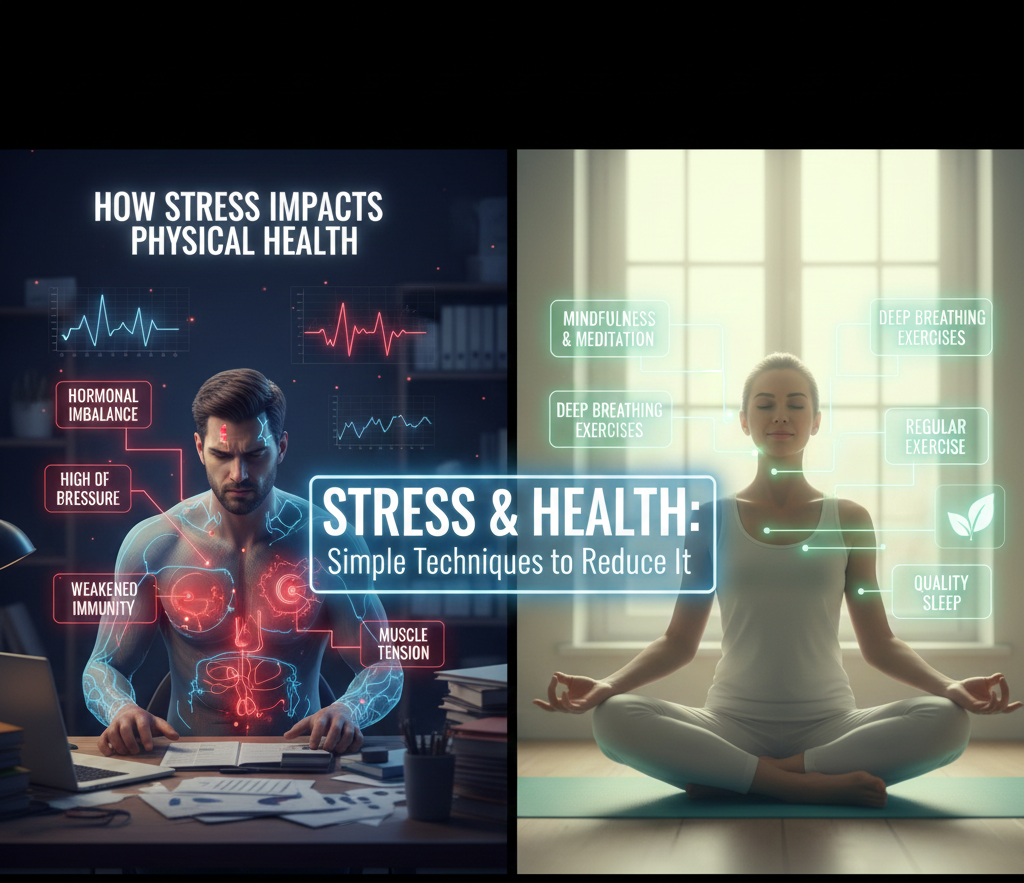
How Stress Impacts Physical Health (and Simple Techniques to Reduce It)
Although stress is a normal part of life, it has the potential to have an impact on almost every system in the body when it becomes a persistent or overpowering presence. Chronic stress has the potential to upset your hormones, weaken your immune system, have an impact on your digestion, and raise the likelihood that you will develop long-term health issues. However, it is important to note that stress that occurs from time to time may help you to maintain your alertness and sharpen your attention. Gaining a comprehension of how stress impacts the body and discovering straightforward methods to mitigate it may help safeguard both your bodily and emotional health.
The Mechanism by Which Stress Activates the Body’s Alarm System
The release of hormones such as cortisol and adrenaline occurs when your body triggers the “fight-or-flight” response in reaction to feelings of stress. You are able to react to hazards as they occur because these hormones enhance your perception, elevate your blood pressure, and increase your heart rate. Although this reaction is beneficial in brief bursts, the prolonged stimulation of this response maintains your body in a state of stress and prevents it from recovering to a healthy baseline.
The Effects on Your Cardiovascular System and Cardiac Function
Stress that persists over an extended period of time has a direct impact on cardiovascular health. Cortisol at a greater than usual level raises blood pressure, makes blood vessels more responsive, and promotes inflammation. In the long run, this strain may increase the likelihood of developing hypertension, heart disease, and abnormal heart rhythms. Even younger persons are susceptible to developing cardiovascular symptoms that are connected to stress, particularly when they are under extended periods of strain.
A Discussion of the Ways in Which Stress Can Impact the Immune System
For the immune system to be in good working order, it is necessary for the body to maintain a balanced balance of hormones and an adequate amount of sleep. The body’s ability to combat viruses, germs, and inflammation is diminished when stress levels are maintained at an elevated level. Individuals who are under chronic stress are more susceptible to catching colds, have a slower rate of recovery, and suffer feelings of weariness more often. As a result of this diminished immunity, a cycle is established that complicates the healing process.
Disturbances in the Process of Digestion and Overall Health of the Gastrointestinal Tract
Due to the fact that the brain and the digestive system are in close communication, the stomach is very sensitive to stress. An increase in stress levels leads to a slowdown in digestion, a change in the levels of stomach acid, and an imbalance in the bacteria present in the gut. Bloating, indigestion, constipation, diarrhea, and changes in appetite are just some of the problems that may result from this. If a stressful situation persists for a long period of time, it might increase the likelihood of developing more severe digestive difficulties.
Body Pain and Muscle Tension
Muscle stiffness, especially in the neck, shoulders, and lower back, is a common physical manifestation of stress. Headaches, jaw pain, and persistent musculoskeletal discomfort are all potential consequences of constant stress. Many individuals are unaware of the fact that stress is a significant contributing factor to their aches and pains, as opposed to the cause being purely physical.
Energy Levels and the Imbalance of Hormones
Stress has an impact on the hormones that control sleep, metabolism, and the creation of energy. Fatigue, irritation, problems with concentration, and interrupted sleep patterns are all possible consequences of elevated cortisol levels. As a result of this, you will experience an even greater amount of stress, which will then perpetuate a cycle that leaves you feeling exhausted both emotionally and physically.
Weight Gain and a Disruption in Metabolic Function
Appetite signals are often influenced by stress-related hormones, which typically result in an increased desire for meals that are rich in sugar or fat content. Additionally, cortisol is responsible for promoting the accumulation of fat, especially in the area of the belly. In addition, persistent stress leads to a decrease in insulin sensitivity, which may result in variations in blood sugar levels and metabolic problems that may persist over time.
Basic Methods for Lowering Stress Levels Throughout the Day
In order to start reducing stress levels, you don’t have to make any drastic adjustments. Even little everyday routines have the potential to soothe the nervous system and enhance one’s physical health. The act of breathing slowly and deeply serves to decrease the heart rate and sends a message to the body to relax. Exposure to natural light for a brief period of time may elevate mood and assist in the regulation of sleep cycles. The release of stress and the promotion of good circulation are made possible by light exercise, which includes activities like walking and stretching. The physical consequences of stress are mitigated in a gentle manner by each of these simple measures.
The Benefits of Employing Mindfulness and Relaxation Techniques
Mindfulness is a practice that teaches the mind to concentrate on the current moment instead of being preoccupied with anxiety. Meditation, body scanning, and guided audio exercises are all examples of techniques that may be used to reduce cortisol levels and enhance emotional equilibrium. It is not necessary to spend hours on these activities; only a few minutes of quiet time every day might result in a significant change.
Enhancing Sleep Quality in Order to Lower Stress Levels
Sleep that is of good quality is able to rejuvenate both the body and the mind. The establishment of a basic bedtime routine, which may include actions such as lowering the lights, using screens less often, or reading something soothing, can inform your body that it is time to relax. Even little increases in the amount of sleep you get may result in a considerable decrease in stress, an improvement in mood, and an increase in physical resilience.
Social Interaction and the Reduction of Stress Levels
The act of communicating with a confidante, spending time with family members, or even expressing one’s feelings with an individual who can be trusted has the effect of relieving stress and improving one’s mental health. Social support may lower cortisol levels and tell your brain that you are not alone in your struggles, which has a strong soothing impact.
Developing Stress-Resilient Habits Over a Period of Time
The development of practices that facilitate the body’s faster recovery from stress is the focus of stress reduction, rather than the full elimination of pressure. You will progressively increase your ability to withstand stress if you use the following strategies: include tiny daily routines, establish healthy limits, and take breaks when you need to do so. With the passage of time, these behaviors lead to better physical health, more mental clarity, and the development of a lifestyle that is more balanced and full of energy.