The Physiology of Tight Clothing and Blood Circulation
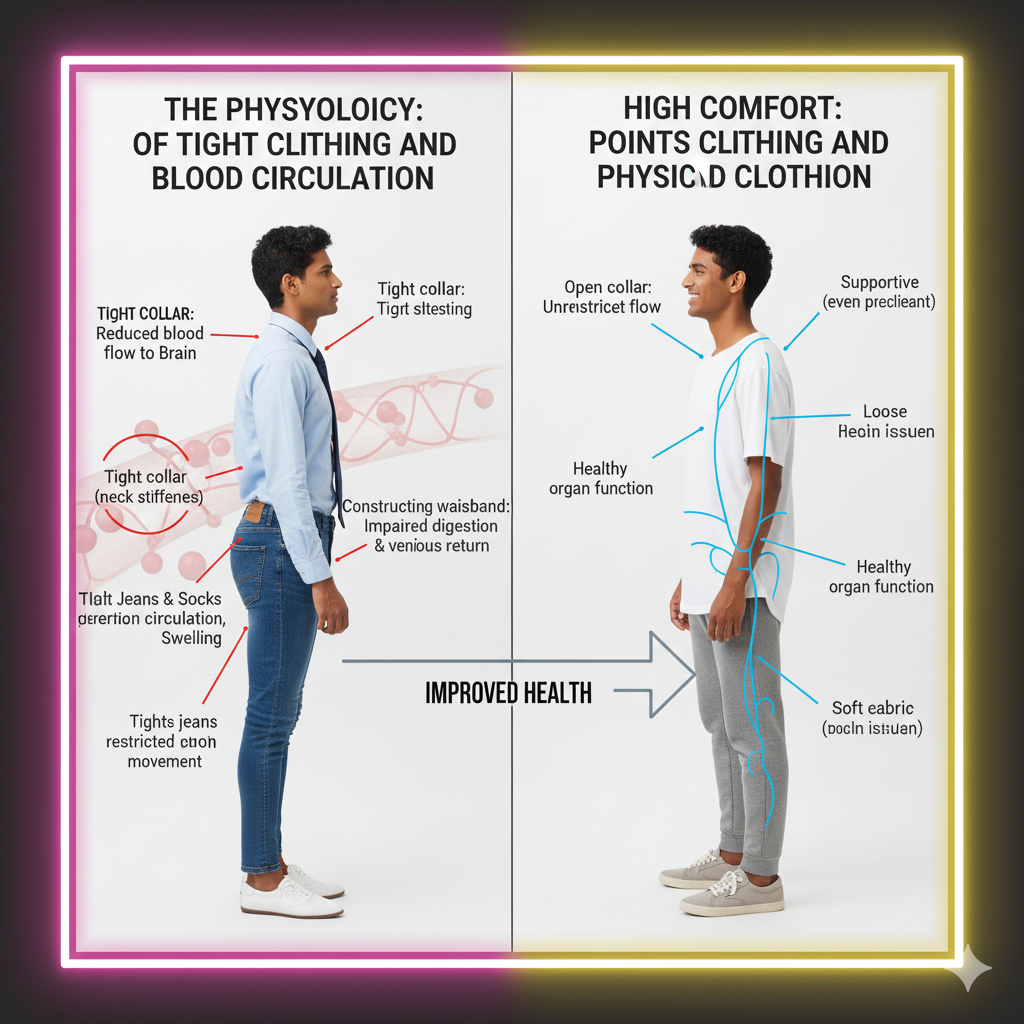
The Physiology of Tight Clothing and Blood Circulation
One of the most popular choices in fashion is to wear clothing that is too tight, but this may have a substantial impact on blood circulation and general physiological performance. Garments that are too tight limit blood flow, cause veins to get compressed, and make it difficult for the body to move in its normal manner. Wearing clothing that is too tight for an extended period of time may cause pain, exhaustion, and possibly the development of long-term vascular or musculoskeletal problems. In order to make design decisions that strike a balance between style, comfort, and health, it is vital to have a solid understanding of the physiological effect that tight clothing has.
What Effects Does Tight Clothing Have on Circulation?
The delivery of oxygen and nutrients to tissues is accomplished by the circulation of blood via the arteries and veins. It is possible for blood vessels to get constricted by wearing tight clothes, such as narrow jeans, fitting shirts, or compression-style garments that are not used for medical purposes. This results in a decrease in the amount of blood that flows backwards from the extremities to the heart, which may result in swelling, tingling, or numbness in the limbs.
Effects on the Function of the Muscles and Joints
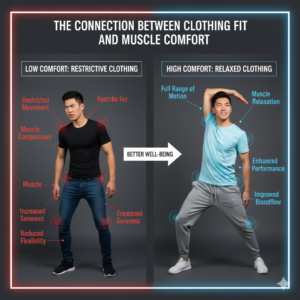
The normal mobility of muscles and joints is restricted while wearing clothing that are restrictive. In the event that muscles are compressed, they are unable to contract and relax in an effective manner, which results in fatigue and stiffness. Moreover, joint mobility may be restricted, which raises the possibility of experiencing pain or tension when engaging in normal tasks or physical activity.
Compression of the Core and the Abdomen
Shapewear or waistbands that are too tight might compress the abdominal region, which can make it difficult to breathe through the diaphragm. In addition to lowering oxygen intake, shallow breathing may also lead to an increase in tension in the muscles of the core and lower back. Because of this, posture, energy levels, and general comfort may all be negatively impacted over time.
Impairments to the Circulatory System in the Lower Limbs
The veins in the thighs and calves may be compressed by tight trousers or leggings, which can reduce the amount of blood that flows back to the heart. Because of this, you can have leg edema, varicose veins, or a sense of heaviness, especially while you are sitting or standing for an extended period of time. Maintaining enough circulation is essential for avoiding tiredness and ensuring the health of the cardiovascular system over the long run.
Concerns Regarding the Nerves and the Skin
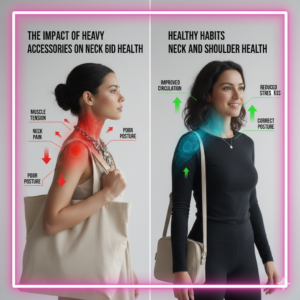
It is possible for the skin to get irritated and for superficial nerves to be compressed while wearing clothes that is too tight. This may result in a tingling sensation, numbness, or even persistent discomfort in some parts of the body, including the shoulders, thighs, and waist. For the purpose of preventing these concerns, it is helpful to choose clothing that provide skin and nerves with breathing space.
Problems Associated with Temperature Regulation
Clothing that is too tight tends to prevent heat and moisture from escaping, which may disrupt the body’s natural ability to regulate its temperature. As a result of the increased effort required by the body to keep its core temperature steady, excessive heat may cause an increase in perspiration, skin irritation, and cost of energy consumption. All of these issues may be alleviated by using breathable materials and looser fits.
Long-Term Dangers to Well-Being
The usage of clothing that is extremely tight for an extended period of time may be associated with persistent musculoskeletal problems, poor circulation, and an increased risk of venous illnesses respectively. A conscious awareness of these dangers supports the selection of clothes that strikes a balance between fashion and long-term health.
Advantages of Wearing Clothing That Is Appropriately Fitted
Circulation, muscular efficiency, and natural mobility are all supported by clothing that fits properly without putting pressure on the body. It is possible to reduce tiredness and improve general comfort during the day by wearing clothing that are well fitting. These garments enable blood flow, minimize nerve compression, and preserve thermal equilibrium.
Considerations That Make Compression Garments Beneficial
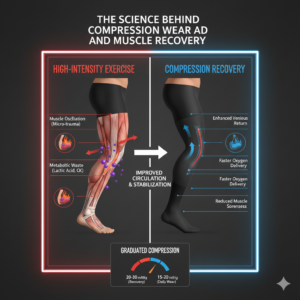
Compression apparel, whether it be for medical or sporting purposes, may be beneficial to circulation if it is worn appropriately, such as throughout the recuperation process or activity. These garments, in contrast to fashion tight clothes, are meant to deliver regulated pressure that encourages venous return and muscular support without impeding natural mobility. Therefore, they are not considered to be fashion tight.
Considerations That Are Ergonomic
A reduction in pressure on important places may be achieved by the use of ergonomic design in clothes, which includes flexible materials, adjustable waistbands, and seams that have been strategically placed. This approach to design helps to maintain circulation, promotes healthy joints and muscles, and improves comfort while engaging in everyday tasks or physical activity more generally.
Effects of Comfort on the Mind and Behavior
A gradually increased level of tension and discomfort may be caused by wearing clothing that is too tight and inhibits mobility or circulation. Fashion that is centered on comfort encourages relaxation, self-assurance, and mental well-being, which in turn indirectly helps physical health by decreasing stress and enhancing posture.
As well as the Circulatory System
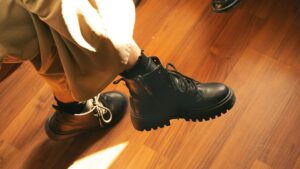
Issues with circulation in the lower extremities may be made worse by wearing shoes or boots that are too tight. When footwear is properly suited, it guarantees that blood flow is not impeded, it compliments the choices of clothes, and it promotes the health of the joints and the vascular system.
Developing and Maintaining Healthy Clothing Habits
The protection of circulation and general well-being may be achieved by the thoughtful selection of clothes that has an emphasis on stretch, breathability, and fit. Alternating between different kinds of clothes, selecting fabrics that are flexible, and making adjustments to tight garments on a regular basis are all ways to lessen the negative effects of compression and encourage a lifestyle that is healthier and more pleasant.
Finding a Balance Between Your Lifestyle and Your Circulatory Health
Blood circulation, muscular function, and general comfort are all negatively impacted by clothing that is too tight. It is possible for people to enjoy trendy clothes while simultaneously limiting health hazards and improving their long-term physical well-being if they have a grasp of the physiological consequences and prioritize fabrics that are stretchy, breathable, and have a suitable fit.