Fashion Habits That Reduce Skin Irritation and Allergies

Fashion Habits That Reduce Skin Irritation and Allergies
Instead of being caused by isolated exposures, skin irritation and allergic responses are often impacted by the clothes that people wear on a regular basis. Because the skin is in continual touch with textiles, dyes, and finishes for lengthy periods of time, the decisions that are made in the fashion industry are a consistent factor in the health of the skin. A considerable reduction in irritation, sensitivity, and pain due to allergies may be achieved over time with the adoption of educated clothing practices.
Selecting Fabrics That Are Both Breathable and Skin-Friendly
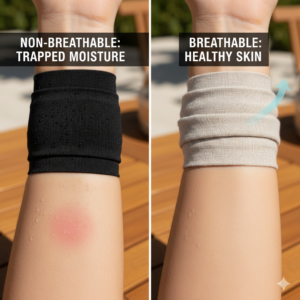
Fabrics that are breathable enables air circulation and contribute to the regulation of moisture on the surface of the skin. When perspiration and heat are trapped, the barrier that protects the skin becomes more vulnerable, which in turn increases the chance of discomfort and sensitivity. Through the use of natural fibers and materials that are meant to be breathable, persistent wetness may be reduced, temperature balance can be supported, and a better environment can be created for the skin for extended periods of usage.
Keeping away from clothing that is either constricting or overly tight
It is possible for irritation, redness, and inflammation to be triggered by wearing clothing that is too tight since it increases friction and pressure on the skin. A persistent mechanical stress causes the outermost layer of skin to become disrupted, which in turn makes the skin more sensitive to allergens and environmental influences. The skin is able to move freely without being subjected to repetitive stress when the clothing are looser and well-fitted. This helps to eliminate friction spots, also supports circulation.
Washing brand-new garments before putting them on
Chemical residues are often found in newly manufactured clothing as a result of the manufacturing, dyeing, and finishing procedures. These compounds have the potential to linger on the surface of the fabric, and upon first touch, they may irritate sensitive skin. The removal of many of these residues, the reduction of chemical exposure, and the softening of fibers, which makes them less abrasive to the skin, are all benefits of washing new clothes before wearing it.
Making Use of Gentle Detergents and Rinsing as Necessary
One of the most prevalent causes of skin irritation and allergy responses is the detergent residues that are left behind in the fibers of garments. cloth treatments and harsh detergents have the potential to stay embedded in the cloth long after it has been washed. By using gentle detergents that are fragrance-free and ensuring that thorough washing is performed, chemical interaction with the skin may be reduced, which in turn helps to maintain a solid skin barrier.
Alternating between Outfits and Trying to Avoid Prolonged Wear
The accumulation of moisture, friction, and the development of germs are all increased when the same clothing are worn for lengthy periods of time. Exacerbating sensitive skin and causing irritation are also possible outcomes of these disorders. When you change your clothes often, particularly after you have sweated, you give your skin the opportunity to recuperate and limit the amount of time it is exposed to irritants that are entrenched in the fabric.
The importance of paying attention to labels, tags, and seams
Because of the repeated rubbing that they create, seams, tags, and labels often cause localized discomfort. When stitching is done incorrectly or with a rough texture, it may continuously irritate the same parts of the skin, which can result in redness or itching. By selecting clothing that have smooth seams, soft labels, or tag-free designs, you may reduce the amount of mechanical irritation that your skin experiences and increase its overall comfort.
Restriction on the Use of Chemical Finishes and Heavy Dyes
Fabrics that have been chemically treated and those that have been dyed to a high degree might emit chemicals that irritate skin that is sensitive. Stronger chemical processing is often required for dark hues, wrinkle-resistant or stain-repellent treatments, and other similar finishes. In order to avoid exposure to possible allergens and to encourage better skin conditions, it is recommended to use textiles that have had minimum treatment and lower dye loads.
The Maintenance of Appropriate Hygiene in Clothing
The accumulation of perspiration, oils, and environmental particles that irritate the skin may occur in clothing that is not washed on a regular basis without being cleaned. When bacteria and debris get caught in the fibers of cloth, the likelihood of experiencing allergic responses and inflammation is increased. Clothes that are clean and safe for the skin may be maintained with the aid of consistent laundry and suitable drying procedures.
Choosing Clothing That Is Appropriate for the Season
Stress on the skin might be increased by wearing clothes that are not suited for the season. In warm weather, wearing clothing that is too heavy or does not allow air to pass through it may cause discomfort and perspiration, while in cold weather, wearing clothes that does not provide enough insulation can cause the skin to become dry. The selection of materials that are suitable for the season helps to keep the skin hydrated and lessens the effects of external stresses.
Over-layering and excessive heat should be avoided.
Heat and moisture are trapped when there is an excessive amount of layering, which creates circumstances that favor irritation and allergic responses. When you overheat, your body produces more perspiration, which may cause the skin barrier to become compromised. Through the use of balanced layering, heat may be allowed to escape while yet providing comfort, which in turn supports healthy skin function throughout the day.
Gaining an Understanding of Individual Sensitivities
The way that various people’s skin responds to different textiles, dyes, and finishes is unique. The identification of personal triggers might be facilitated by paying attention to patterns of recurrent discomfort. This allows for more individualized clothing choices, which in turn reduces allergic reactions and persistent discomfort. Adjusting fashion habits based on these insights allows for these kinds of options.
Maintaining a Healthy Skin Condition Through Everyday Fashion Practices
Habits about clothing continue to have a function in the health of the skin. Reducing the everyday stress that is imposed on the skin may be accomplished by making thoughtful decisions about the fabric, fit, cleanliness, and care. It is possible for people to reduce irritation, enhance the skin’s natural defenses, and increase long-term comfort and resilience by adopting fashion habits that are skin-conscious.