The Impact of Heavy Accessories on Neck and Shoulder Health
The Impact of Heavy Accessories on Neck and Shoulder Health
Handbags, backpacks, jewelry, and belts are examples of accessories that are often selected for their aesthetic value rather than their practicality. Nevertheless, when accessories are heavy or improperly balanced, they have the potential to cause a significant amount of pressure on the upper back, shoulders, and neck. Repeated stress may, over time, cause muscular fatigue, changes in posture, and persistent pain, all of which can have an impact on everyday mobility and general well-being.
Considering the Effects of Weight Distribution on the Upper Body
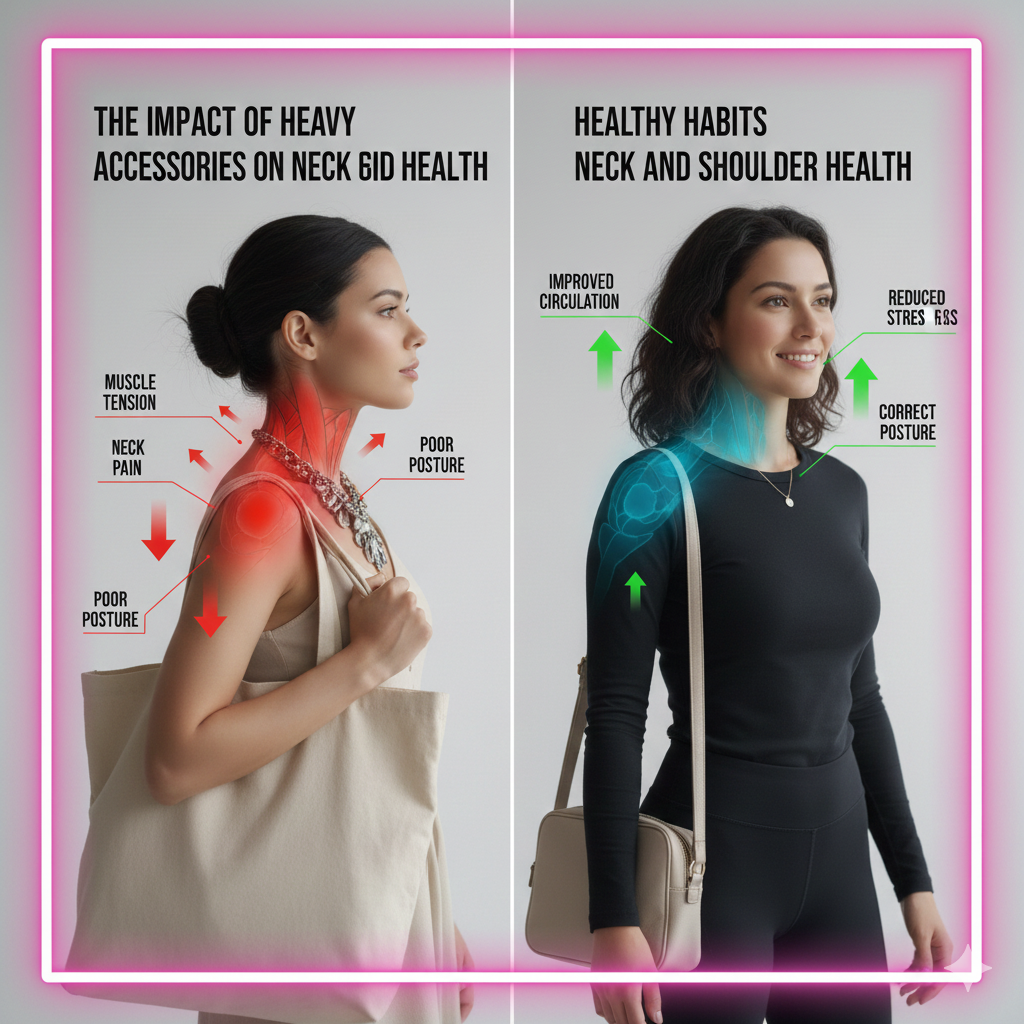
Particularly vulnerable to the effects of unequal weight distribution is the area that encompasses the neck and shoulders. When you carry large baggage on one shoulder, you strain your muscles to compensate for the imbalance this causes, which results in asymmetrical muscular activity. As a consequence of this adjustment, tension may be created in the trapezius, deltoids, and neck muscles, which can lead to discomfort and stiffness over time.
Postural compensation and its role in the body
Because of the weight of the accessories, the body will instinctively modify its posture in order to maintain its equilibrium. Leaning to the other side, rounding the shoulders, and thrusting the neck forward are all examples of common compensations. For a short period of time, these changes are helpful in maintaining balance; but, if they are adopted for an extended period of time, they may cause a change in the alignment of the spine and lead to persistent pain in the neck, shoulders, and upper back.
Effects on the Health of the Cervical Spine
In addition to providing support for the head and neck, the cervical spine also helps to preserve flexibility for movement. Compression of the cervical vertebrae and tension on the muscles that support them may be caused by excessive weight from necklaces, scarves, or headgear. Over the course of time, this may hasten the wear and tear on the structures of the spine, as well as increase the likelihood of experiencing tension headaches, stiffness, and nerve compression.
Strain on the Shoulder and Fatigue of the Muscles
The majority of the weight that is carried by accessories is carried by the shoulders, especially when carrying hefty bags, backpacks, or purses. Continuous tension leads to muscular exhaustion and a reduction in endurance, which makes actions that are performed on a regular basis more difficult, such as walking, reaching, or lifting. There is also the possibility that inflammation and a restricted range of motion in the shoulder joint might be caused by chronic tension.
Implications for Postural Alignment Over the Long Term
Carrying heavy accessories on a regular basis might result in postural changes that last for a good long while. Shoulders that are rounded, a forward head posture, or shoulder height that is unequal might be the result of muscles that shorten or lengthen in an uneven manner. These alterations make the overall balance more precarious, make the individual more prone to injury, and contribute to the persistent pain felt in the neck and shoulders.
Microtrauma and Repetitive Strain as Conditions
Even a minor amount of supplemental weight might result in cumulative stress on the body if it is used repeatedly. Every action that involves a heavy object, such as swinging a strap, hoisting a bag onto the shoulder, or adjusting a backpack, causes microtrauma to be created in the muscles, tendons, and ligaments. Minor injuries have the potential to evolve into chronic pain or musculoskeletal diseases over the course of many months or years.
Padding and Strap Design: What Role Do They Play?
The construction of accessory straps has a considerable influence on the strain placed on the upper body. Weight is distributed more evenly because to the wide, cushioned straps, which also reduces the amount of localized strain and muscular fatigue. The weight is concentrated on tiny regions when using straps that are either narrow or inflexible, which increases the likelihood of experiencing pain and stress in the neck and shoulder region.
Carrying Proclivities and the Management of Weight
Just as significant as the weight of the accessories is the manner in which they are carried. When it comes to reducing muscular overuse, alternating shoulders, employing crossbody designs, or selecting backpacks with balanced load distribution are all helpful strategies. In order to minimize undue strain on the upper body, it is important to limit the total accessory weight and to frequently reevaluate the objects that are carried.
Jewelry, belts, and other factors that cause minor strain
Although bags are the most apparent cause of upper-body tension, other items such as watches, belts, and necklaces that are heavy may also add to the problem. Particularly when worn for lengthy periods of time, large statement necklaces or belts that are firmly tightened might contribute to the development of a mild but persistent pressure. When paired with other weight-bearing behaviors, these relatively minor stresses have the potential to increase strain in the neck and shoulders.
The Influence of Discomfort on A Person’s Psyche
The persistent discomfort that comes from wearing heavy accessories has repercussions that extend beyond the realm of physical comfort; it may have an impact on posture, movement, and overall energy levels. It is possible for people to be reluctant to move freely or to maintain appropriate posture while they are experiencing discomfort, which may reinforce poor alignment patterns and persistent tension.
Useful Advice to Reduce the Effects of Strain
Reducing the strain that is associated with accessories requires careful selection and use. Strategies that are successful include selecting lightweight things, ensuring that the strap design is appropriate, rotating carrying techniques, and preventing lengthy one-sided burdens from being carried. It is more appropriate for accessories to support the natural alignment of the body rather than to fight it.
Providing Support for the Health of the Shoulders and Neck Through Fashion Choices
To maintain musculoskeletal health over the long term, it is vital to be aware of the weight and design of accessories. It is possible for people to avoid unneeded strain, keep their posture balanced, and lessen the likelihood of experiencing chronic neck and shoulder pain if they include supportive choices into their everyday fashion routines. A well-planned approach to accessory management makes it possible for fashion and physical health to coexist.