How Fabric Breathability Affects Sweat Regulation
How Fabric Breathability Affects Sweat Regulation
The capacity of a fabric to breathe is an essential component in the body’s ability to regulate both heat and moisture. Sweat is the body’s natural technique for cooling itself, but when clothes trap heat and moisture, the process becomes inefficient, which may contribute to pain as well as possible skin problems. Breathable textiles enable air to flow, which assists in the evaporation of perspiration and helps to keep a consistent temperature inside the body. Wearing clothes that is well vented is beneficial to both comfort and general physical health while engaging in everyday activities.
Evaporation of Sweat: A Scientific Examining
It is via the process of evaporative cooling that sweating is able to control the temperature of the body. Fabrics that do not let air to move through them trap perspiration against the skin, which slows down the process of evaporation and reduces the effectiveness of cooling. Fabrics that are breathable, such as cotton, linen, or synthetics that wick away moisture, stimulate evaporation by facilitating airflow and lowering humidity levels in the vicinity of the skin. This helps to ensure that the body is able to efficiently cool down.
Management of Moisture and the Health of the Skin
It is possible for bacterial and fungal growth to occur in an environment that is warm and wet, which is created when sweat collects. One may experience discomfort, rashes, or unpleasant smells as a result of this. Fabrics that are breathable cause moisture to be drawn away from the skin, which helps to keep the skin dry and reduces the probability of skin problems. It is crucial for the long-term health of the skin to have a dry microclimate between the skin and the clothes.
Influence on the level of physical comfort
Wearing clothing that is able to trap perspiration might make you feel sticky, heavy, or restricted, which can be uncomfortable and distracting while you are engaging in exercises. Fabrics that are breathable limit the buildup of moisture, which ensures that clothing continue to be lightweight and comfortable even after being worn for an extended period of time. The comfort that this provides increases mobility and minimizes physical exhaustion, which in turn makes it simpler to carry out everyday chores.
The regulation of temperatures and the efficiency of energy use
The body is able to maintain a steady core temperature with the assistance of clothing that is breathable. When perspiration is able to evaporate without restriction, the body uses less energy to cool itself, which frees up resources that may be used for other essential processes. Temperature management that is effective lowers the danger of overheating and stress associated to heat, which is beneficial to both physical performance and general well-being.
In the realm of activewear, breathable fabrics
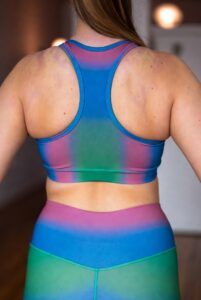
The breathability and moisture control capabilities of activewear are intended to exceed expectations. Airflow is facilitated as perspiration is swiftly drawn away from the body by fabrics that include moisture-wicking qualities, mesh panels, or holes. Athletes and other active people are able to retain comfort and performance even while engaging in strenuous physical activity because to this design, which reduces the amount of heat that accumulates.
Combining Breathability with Layering
Clothing that is layered may have an effect on how effectively perspiration evaporates. As a result of its ability to draw perspiration away from the skin while simultaneously enabling ventilation between layers, breathable base layers are an essential component of moisture control. Through the use of insulating outerwear in conjunction with breathable layers, it is possible to achieve both warmth and perspiration control without sacrificing comfort.
Stress and fatigue caused by heat are reduced.
The chance of heat stress, which may result in weariness, dizziness, and poor focus, is increased by the use of textiles that do not allow air to pass through them. Fabrics that are breathable allow for continuous perspiration evaporation, which helps the body’s cooling system and reduces overall physical strain. A significant factor in maintaining sustained energy levels throughout the day is the capacity to maintain thermal comfort via ventilation.
Adaptation to External Environment
Sweat production is influenced by both the climate and the amount of exercise. The ability of the body to adapt to changing climatic circumstances, such as hot and humid weather or inside settings with restricted ventilation, is made possible by garments that include breathable materials. It is important to wear clothing that allows for ventilation since this guarantees that sweat regulation works well regardless of the weather outside.
Comfort and confidence in one’s psychological state
A moist or warm sensation might have an impact on one’s mood and confidence. As a result of their ability to retain a dry and pleasant feel, breathable materials contribute to an increase in both psychological and physical comfort. Individuals are more likely to stay active and engaged throughout the day when they feel secure in the attire that they are wearing that they are wearing.
Long-Term Health of the Skin and the Body
Reducing extended exposure to wetness, heat, and friction on the skin may be accomplished by using textiles that are breathable on a consistent basis. Because of this, the likelihood of experiencing persistent discomfort, bacterial infections, and stress brought on by overheating is reduced. Utilizing breathable materials in one’s everyday attire is beneficial to the general health of the skin, the maintenance of thermal equilibrium, and the enhancement of physical efficiency.
Fabrics to Choose Based on Their Breathability
Cotton and linen are examples of natural fibers that have a great capacity for absorbing moisture and allowing air to pass through them. On the other hand, synthetic materials like polyester mixes are especially intended to drain perspiration away from the body. In order to achieve optimum sweat regulation and long-term well-being, it is important to choose textiles that are based on the activity level, environment, and comfort requirements.
The incorporation of breathability into everyday clothing
The use of breathable textiles is beneficial not just for athletics but also for daily apparel, particularly in professional or informal situations where lengthy wear is prevalent. Clothing items such as shirts, trousers, and undergarments that allow air to circulate around the body reduce the buildup of heat, provide comfort, and keep the skin healthy throughout the day.
Utilizing Layering Techniques to Achieve Maximum Comfort
The capacity to adjust to varying temperatures is made possible by combining lightweight layers with permeable textiles. Inner layers that are breathable help to control sweating, while outer layers prevent moisture from being trapped and offer insulation or protection. Through the use of this method, the body is able to maintain its dryness, comfort, and temperature regulation in a variety of settings.
Possessing both breathability and movement efficiency
The body is able to move more freely when it is wearing clothing that allows for better ventilation and helps to control perspiration. There is a correlation between the buildup of moisture and friction, stickiness, and limited motion. Fabrics that are breathable alleviate these limits, allowing for more natural movement and enhancing overall comfort during both physical activity and regular duties.
Therefore, breathability is an essential component in the regulation of sweat.
Breathability of the fabric is an essential component in ensuring that the body’s temperature, comfort, and skin health are all maintained. Fabrics that are breathable encourage natural airflow, reduce the accumulation of moisture, and facilitate the drainage of perspiration, all of which contribute to an improvement in both physical performance and general well-being. It is possible to assure long-term comfort, efficiency, and health advantages by wearing clothing that allows air to pass through at regular intervals.