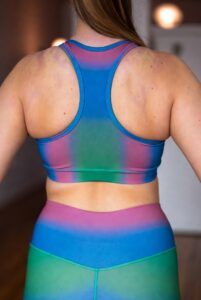
Clothing Pressure Points That Influence Physical Comfort
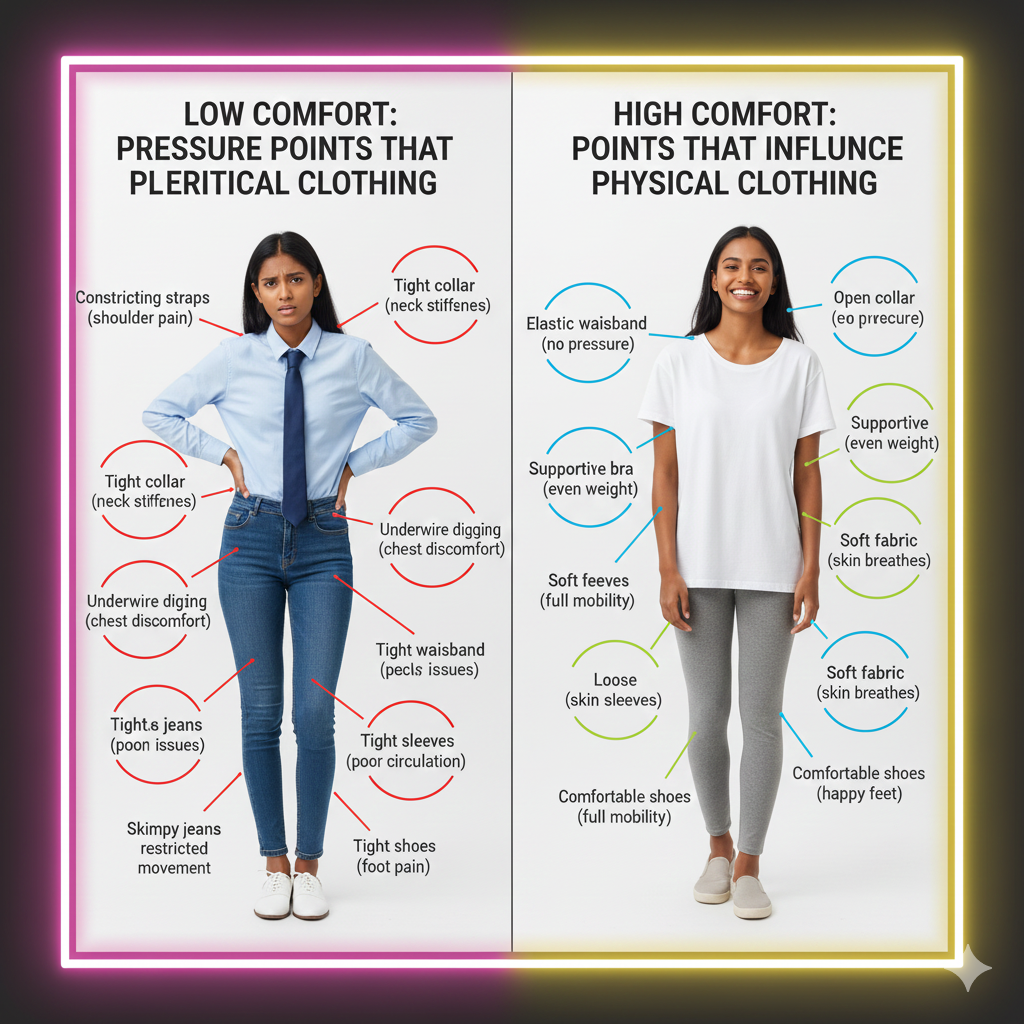
Clothing Pressure Points That Influence Physical Comfort
Instances in which clothes push on the body are known as clothing pressure points. These pressure points have the potential to cause pain, limited mobility, or even long-term strain on the musculoskeletal system. These pressure spots often manifest themselves in places such as the waist, shoulders, chest, thighs, or underarms, particularly when they are caused by clothing that is too tight, does not fit well, or is poorly made. It is crucial to have an understanding of how pressure points impact physical comfort in order to choose clothing that have the ability to assist movement as well as general well-being.
Pressure on the abdominal region and waistbands
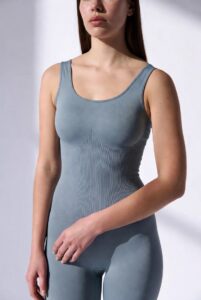
Waistbands that are too tight might cause the abdomen to become compressed, which can reduce circulation and lead to pain, bloating, or breathing restrictions. As the body adapts to cope for the strain, prolonged pressure in this location may also lead to bad posture of the individual. If you choose waistbands that are adjustable or elasticized, you will experience less tension on your stomach muscles and feel more comfortable throughout the day.
Pressure on the Shoulders Caused by Tight Tops or Bags
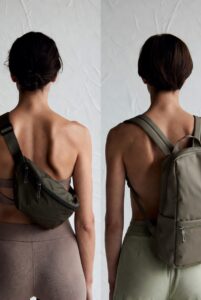
Pressure points are created when we wear clothing that is too tight around the shoulders or when we carry heavy shoulder straps from our luggage. These pressure points may cause muscular stress and tiredness. For a period of time, this might result in discomfort in the muscles of the trapezius and the shoulder. Shoulder tension may be alleviated by using bags with adjustable straps, ergonomic designs, and sleeves that are more relaxed.
Respiratory Impact and Compression of the Chest Chest
It is possible for clothing that is overly tight about the chest to inhibit lung expansion, which in turn might hinder the effectiveness of breathing. Because of this, you may experience shallow breathing, weariness, and a reduction in the flow of oxygen when engaging in physical activity. Proper chest expansion and respiratory comfort may be achieved by wearing shirts that are well-fitted or made of flexible materials.
Constrictions in the Thighs and Hips
Wearing pants or leggings that are too tight around the hips and thighs may make it difficult to move about and can also obstruct circulation. When walking or sitting, this pressure may cause numbness, tingling, or pain in the affected area. Maintaining good blood flow and allowing for fluid movement are also benefits of selecting lower garments that are flexible or loose-fitting.
Irritation and friction found under the arm
It is possible for seams or sleeves that are too tight around the underarms to produce friction and chafing, especially while the wearer is moving about or exercising. It is possible for this pressure point to cause irritation, rashes, or pain with the skin. Fabrics that have a soft texture, seams that are flat, and enough space in the region under the arms are excellent for reducing friction and improving comfort.
Pressure on the Neckline and the Collar
Collars that are too high or necklines that are too tight may cause the neck to become compressed, which can restrict mobility and cause strain in the cervical muscles. Over time, this may be a factor in the development of headaches or stiffness. Collars that can be adjusted, materials that are softer, and size that is suitable all assist to avoid neck strain.
Bands for the Wrist and Ears
It is possible for elastic or tight bands to limit circulation and produce pressure points when they are worn at the wrists or ankles. Long-term compression may result in pain, numbness, or edema of the affected area. Garments that have cuffs that may be adjusted or bands that are softer are more comfortable and help to maintain good blood flow.
Pressure on the seams and the stitching
The creation of localized pressure points may be caused by seams that are either poorly positioned or bulky, especially in locations that are often moved. Because of the possibility that these seams may brush against the skin, they may cause discomfort or inhibit flexibility. Flat stitching and seams that are positioned ergonomically both contribute to increased comfort and less friction.
Concerning Pressure Points Related to Footwear
It is possible for pressure points to develop on the feet if the shoes are excessively tight, have toe boxes that are too small, or do not have enough cushioning. Because of this, comfort and balance are negatively impacted, and it may also lead to joint pain in the hips, knees, and ankles. Foot pressure may be reduced and general physical comfort can be supported by wearing footwear that is cushioned and well fitted.
The Pressure on the Back and Spine Caused by Clothing Fit
It is possible for tight belts, corsets, or jackets that are fitted to exert pressure along the lower and upper back, which may disrupt the alignment of the spine. Postural compensation, muscular tension, and soreness are all possible outcomes of this situation. It is easier to preserve spinal health and comfort when the fit is looser and the design is ergonomic.
Influence on the Cardiovascular System and Energy Levels
There is a correlation between clothing pressure points that impede blood flow or mobility and conditions such as weariness, numbness, and diminished energy. Maintaining circulation, reducing muscle tension, and supporting sustained energy throughout everyday tasks are all benefits that may be achieved by avoiding regions that are tight or restricted.
Alternative Methods for the Management of Pressure Points
It is essential to choose garments that have adjustable features, materials that are flexible, and designs that are ergonomic in order to reduce the number of pressure points. Comfort, the promotion of natural mobility, and a reduction in the danger of experiencing physical pain are all achieved by paying attention to the fit, the positioning of seams, and the structure of garments.
The Long-Term Advantages of Having Clothing That Fits Comfortably
Maintaining a consistent wardrobe that steers clear of excessive pressure points is beneficial to the health of the musculoskeletal system, as it enhances circulation and provides relief from persistent pain. Clothing selections that are made with careful consideration improve general comfort, mobility, and well-being, which in turn makes day-to-day tasks more productive and pleasurable.
Comfort Achieved Through the Selection of Mindful Clothing
It is crucial for both physical comfort and general wellbeing to have an understanding of and the ability to manage pressure points caused by clothes. By choosing clothes that provide a good fit, flexibility, and support, people may lessen the amount of stress that is placed on their muscles, joints, and skin, which in turn enables them to move freely and pleasantly throughout the day.