How Clothing Insulation Affects Body Heat Balance
How Clothing Insulation Affects Body Heat Balance
Insulation provided by clothing is an essential component in the process of controlling the temperature of the body, ensuring comfort, and promoting general physical health. The body is able to retain heat in frigid surroundings with the assistance of insulating clothing, which, when worn appropriately, allow for effective temperature control in circumstances that are changeable. The wearing of clothing that is not well insulated might result in overheating, excessive perspiration, or cold stress, all of which can have a severe impact on one’s energy levels, circulation, and overall well-being.
The Science of Thermal Insulation
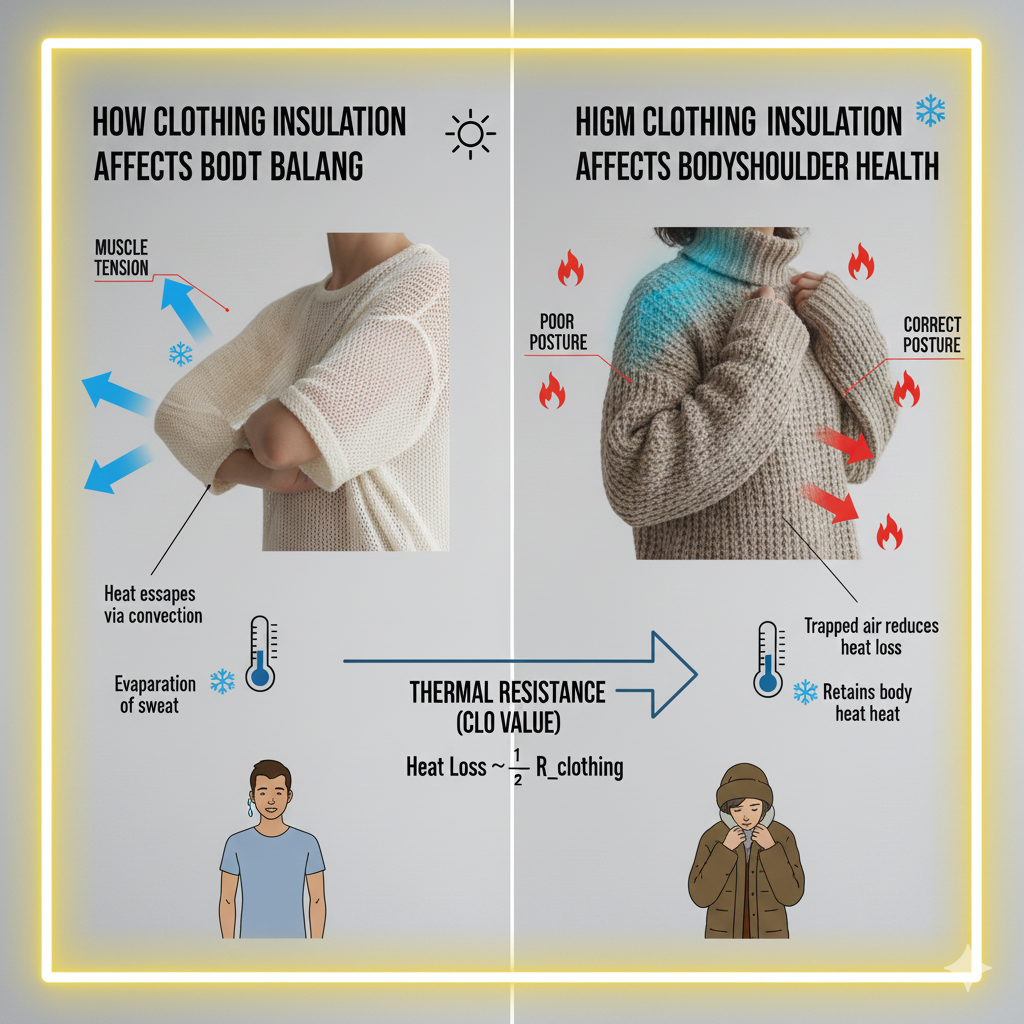
Putting on insulating clothing helps to reduce the amount of heat that is lost by convection and radiation by trapping a layer of air near to the body. This thermal barrier helps to maintain a steady core temperature in cold conditions, which helps to avoid hypothermia and ensures that the body’s systems work well. Both the kind of insulation and its thickness have a role in determining how well clothes are able to retain heat.
Applying Layering Techniques to Achieve Heat Balance
Layering is an effective method of maintaining body heat while allowing moisture to escape. This is accomplished by combining insulating textiles with base layers that are breathable. The base layers are responsible for removing perspiration from the skin, the mid-layers, which offer warmth, and the outer layers, which protect against wind and rain. Even while engaging in activities that take place in temperatures that are constantly changing, proper layering promotes thermal comfort without creating overheating.
The influence on one’s physical performance
The wearer’s physical performance is improved by clothing that helps maintain the body’s thermal balance. Inadequate insulation may lead to an increase in the amount of energy that is required to maintain warmth, while overheating can result in tiredness, dehydration, and a reduction in endurance performance. Garments that are adequately insulated aid to preserve energy, promote muscle efficiency, and boost total physical output.
Options for Fabrics and the Effectiveness of Insulation
Various types of textiles each have their own unique insulating qualities. While synthetic fabrics such as polyester give lightweight warmth and the ability to drain away moisture, natural fibers such as wool and fleece are able to retain heat very well while yet allowing air to pass through with ease. Optimal heat regulation may be achieved by selecting textiles that are appropriate for the weather and the amount of exercise.
Lessening the Loss of Heat in the Extremities
Insulation is essential not just for the central component of the body but also for the extremities, including the hands, feet, and head. It is possible to limit heat loss from these sensitive places by wearing gloves, thermal socks, and caps. This helps to maintain the general heat balance of the body and reduces the risk of damage or pain that is associated with cold.
Helping to Prevent Overheating
It is essential to have insulation in chilly surroundings; nevertheless, having an excessive amount of insulation in circumstances that are moderate or warm may cause overheating and excessive perspiration. Heat may be allowed to escape via the use of breathable materials, vented designs, and adjustable layers, which helps to maintain comfort and safeguard against heat stress.
Comfort as well as circulation
By maintaining a warm temperature in the muscles and extremities, proper insulation helps to maintain good circulation. It is possible for blood vessels to contract when exposed to cold temperatures, which might result in numbness or stiffness. When worn for extended periods of time outside or while engaging in physical activity, clothing that is insulating helps to avoid excessive cooling, promotes circulation, and keeps the wearer comfortable.
Comfort in terms of both mental and physical health
The psychological and physiological advantages of maintaining a healthy body temperature equilibrium are widely known. Increased irritation, distraction from concentrate, and a general decline in mood may be the result of being either too cold or too hot. This helps to retain mental clarity and emotional comfort, which contributes to general wellbeing. Clothing that is properly insulated assists these things.
The Influence of Seasonal Factors
When it comes to insulation, different seasons call for different approaches. During the winter, it is necessary to wear layers that are thicker and have a high heat retention rate. However, during transitional seasons such as autumn and spring, it is necessary to wear layers that are adaptive and give moderate warmth without overheating. It is possible to maintain a constant level of comfort and body heat balance by adapting insulation to the season.
Design with an Ergonomic Focus on Heat Retention
Adjustable hoods, cuffs, and waistbands are common examples of ergonomic elements that are often seen in modern insulated clothing. These characteristics enable for effective heat retention while yet allowing for movement. These designs maximize the preservation of warmth, minimize the waste of energy, and enhance overall comfort whether the individual is engaged in energetic or sedentary activities.
Implications for Rest and Recuperation
The capacity of the body to maintain thermal equilibrium when it is at rest is supported by the presence of enough insulation in its sleepwear or outdoor clothes. While sleeping, maintaining a consistent body temperature helps the body recover more quickly, minimizes the amount of stress that the cardiovascular system experiences throughout the night, and adds to overall energy levels the following day.
Finding a Balance Between Breathability and Insulation
It is important to strike a balance between insulation and breathability in order to prevent the accumulation of moisture, which might negatively impact thermal efficiency and lead to discomfort. Fabrics that are able to wick away perspiration while simultaneously holding heat provide the best possible thermal regulation for settings that are either active or outside.
Long-Term Advantages to One’s Health
Wearing clothing that provides enough insulation on a consistent basis protects against diseases that are associated with cold weather, helps preserve energy, and promotes the health of the musculoskeletal system and the circulatory system. A sustained level of comfort, productivity, and general physical well-being may be achieved via the thoughtful selection of clothing that maintains a balance of heat.
Insulation is a Vital Component in Providing Comfort and Maintaining Health
Insulating clothing is essential for preserving the body’s natural temperature balance, maximizing energy efficiency, and promoting overall wellbeing. Individuals are able to protect themselves from thermal stress, improve their physical performance, and promote both mental and physical comfort in a variety of circumstances by choosing suitable textiles, layering correctly, and maintaining breathability.