Adaptive Clothing for Neurodiversity: Designing Sensory-Friendly Wardrobes for Adults with ADHD
Adaptive Clothing for Neurodiversity: Designing Sensory-Friendly Wardrobes for Adults with ADHD
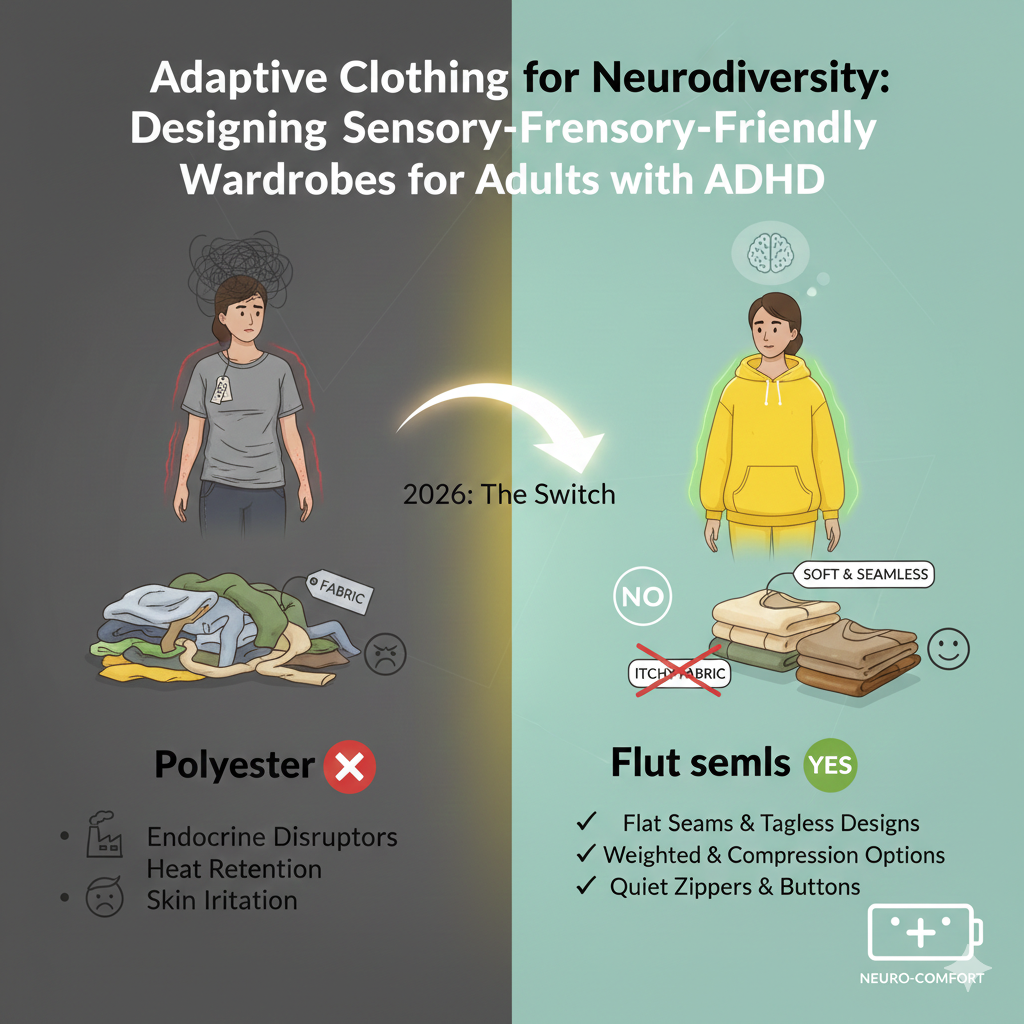
As the fashion industry comes to realize the requirements of neurodiverse persons, it is going through a transition that is not just not noticeable but also significant. In the year 2026, clothing is no longer considered to be only an aesthetic choice; rather, it is seen as a practical instrument that may either strengthen or disrupt mental control. When it comes to people who have attention-deficit/hyperactivity disorder (ADHD), sensory input plays a significant role in attention, emotional balance, and cognitive ease. There are a number of classic garment designs that inadvertently produce sensory overload by having tight seams, scratchy materials, bright colors, or restricted fits. At various points during the day, these sensory cues have the potential to exacerbate mental tiredness, anxiety, and distractibility. By developing clothes that cooperate with the nervous system rather than against it, adaptive clothing aims to reduce the hurdles that are preventing people from achieving independence. The objective is not to conceal attention-deficit/hyperactivity disorder (ADHD), but rather to provide an atmosphere in which the brain can work with fewer sensory impediments. Not only are sensory-friendly outfits becoming a fashion trend, but they are also becoming a practical extension of mental health care.
Comprehending Attention Deficit Hyperactivity Disorder and Sensory Processing in Adults
Differences in sensory processing and nervous system modulation are also involved in attention-deficit/hyperactivity disorder (ADHD), which is often linked with difficulty in paying attention. Sensitivity to touch, pressure, warmth, and texture is heightened in many individuals who have attention-deficit/hyperactivity disorder (ADHD). Because the brain absorbs sensory information more intensively, clothing that is worn on a daily basis might cause an individual to experience excessive stimulation. Compression collars, scratchy materials, or even certain stitching patterns may all contribute to a persistent feeling of discomfort in the background. There is a competition between this sensory noise and cognitive resources that might otherwise be employed for concentrating and finding solutions to problems. It is possible that this will, over time, lead to mental weariness and irritation that is persistent. The goal of adaptive clothing is to reduce the amount of extraneous sensory information that the brain receives so that it can organize energy more effectively. In the year 2026, sensory design is being acknowledged as a valid aspect in determining cognitive function for persons who have neurovarying conditions.
Why Clothing Is Considered to Be Sensory-Friendly
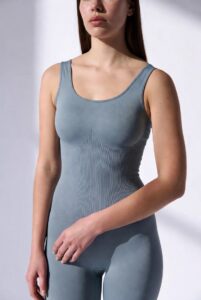
When designing clothes, sensory-friendly clothing takes into consideration the nerve system rather than focusing only on aesthetic appeal. It places an emphasis on supple textures, seamless seams, breathable materials, and flexible fits that lessen the amount of tension experienced by the touch. It is essential that there be no irritating components present, such as tags that are rigid, stitching that is abrasive, or elastic bands that are too tight. These aspects of the design contribute to the preservation of a sensory baseline that is neutral throughout the day. A lower level of background tension is experienced by the brain when the body is experiencing a sense of physical ease. The result is an internal environment that is more steady, which is beneficial for focus and emotional management. Additionally, clothing that is sensory-friendly prevents severe temperature retention, which helps to minimize overheating or chills, both of which may interfere with mental concentration. In the year 2026, comfort is no longer considered a luxury but rather a cognitive requirement for persons who have any kind of neurodiversity.
How the Selection of Fabric Affects the Level of Cognitive Comfort
The choice of fabric is one of the most important factors that determines how clothing interacts with the sensory system. The usage of natural textiles such as organic cotton, bamboo blends, and modal is widespread due to the fact that these materials are gentle and breathable when applied to the skin. These materials lessen the amount of friction that occurs and guard against the accumulation of micro-irritations that occur during the day. Synthetic materials, on the other hand, have a tendency to retain heat and generate static sensations, both of which may be overpowering to nerve systems that are already sensitive. Even if the individual is not consciously aware of these bodily signals, the brain is always monitoring them and paying attention to them. It is the fabric’s ability to deliver calming signals to the neurological system that causes it to feel comforting. Reducing baseline stress and supporting prolonged mental clarity are also benefits of this. Fabric engineering is being seen as a sort of neurological design in the year 2026, rather than only being considered an invention in the textile industry.
Compliance, Pressure, and the Regulation of the Nervous System
The manner in which one’s clothes fits the body may have a direct impact on the functioning of the neurological system. While an excessive amount of pressure might make one feel constrained and cause stress reactions, an insufficient amount of structure can make some people feel as if they are losing their equilibrium. When it comes to clothes, adaptive clothing is characterized by balanced fits that provide moderate confinement without causing compression. A feeling of bodily grounding is created as a result of this, which assists in the regulation of sensory input. Some individuals who have attention-deficit/hyperactivity disorder could benefit from light or even pressure since it offers regular tactile input. This pressure, on the other hand, must be consistent and gentle, rather than tight or restricting. The need for continual modifications, which may become a source of distraction, is reduced when the garment is designed to fit properly. In the year 2026, the concept of garment fit is being rethought as a psychological characteristic rather than just a matter of size.
Reducing the Overstimulation of the Visual System Through Design
Visual stimulation is another significant contributor to sensory overload in individuals who have attention-deficit/hyperactivity disorder (ADHD). The visual cortex may be overstimulated by patterns that are loud, prints that have a high contrast, and designs that are complicated. Because of this, the cognitive load is increased, and it becomes more difficult to retain attention. Color palettes that are serene, patterns that are limited, and styles that are simple are often used in adaptive apparel. The brain is able to maintain a more controlled state as a result of these visual choices, which limit the amount of perceptual noise. When there is consistency and predictability in the visual information, it is simpler to maintain attention. This does not imply that clothes must be dull; rather, it is imperative that it avoids creating needless visual disarray. The year 2026 sees the use of minimal design as a method of achieving cognitive accessibility.
The Role of Clothing in the Process of Emotional Regulation
Relaxation of the senses is intimately connected to the management of emotions. In situations when clothing causes persistent discomfort, the nervous system continues to be in a condition of low-level stress status. Because of this, emotional reactions become more strong and even more difficult to manage. These triggers are reduced and emotional stability is supported by wearing clothing that is sensory-friendly. A state of physical comfort is seen by the brain as a state of safety, which in turn soothes the stress response system. This makes it possible for emotions to flow more freely and minimizes the likelihood of impulsive responses. As time goes on, this helps to improve one’s ability to exercise self-control and mental resilience. It is possible that this will considerably enhance day-to-day functioning for individuals who have ADHD. As of the year 2026, the incorporation of clothes into tactics for emotional regulation is occurring with the implementation of therapy and mindfulness practices.
The Influence of Adaptive Clothing on the Workplace and for Society
The goal of adaptive clothing is not just to improve one’s comfort at home, but also to enhance one’s performance in professional and social settings. Many individuals who have attention-deficit/hyperactivity disorder (ADHD) deal with weariness in the job as a result of persistent sensory strain. This unseen energy drain is reduced by closets that are sensory-friendly, which frees up more brain resources for conversation and problem-solving. It is possible that this will boost one’s self-assurance, productivity, and social involvement. The ability to be present in discussions and duties is facilitated by clothing that provides a sense of support rather than one that restricts movement. Additionally, adaptive design lessens the need to fidget or modify one’s attire, both of which may be detrimental to one’s social interactions. Twenty-six years from now, inclusive fashion is evolving into a tool that facilitates equitable participation and accessibility in the workplace.
The Prospects for Neurodiverse Fashion Design in the Future
There is a shift occurring in the fashion industry toward a more personalized and neurologically aware approach. It is a transition away from design focused on trends and toward design based on functionality that is represented by adaptive clothing for neurodiversity. A growing number of designers are starting to work together with professionals in the fields of psychology, occupational therapy, and sensory research. Through the use of this multidisciplinary approach, clothing that caters to actual cognitive requirements is being developed. Garments that minimize sensory friction and promote mental clarity are what this implies for individuals who have attention-deficit/hyperactivity disorder (ADHD). There is a possibility that adaptable clothing may evolve into a regular category rather than a specialized market over time. In the year 2026, fashion is transforming into a kind of mental infrastructure that influences the way in which individuals perceive their day-to-day lives. Clothing is becoming redefined as a tool for cognitive wellness rather than just for personal expression, and sensory-friendly wardrobes are helping to make this happen.