Meralgia Paresthetica: The Hidden Nerve Pain Caused by Compressive High-Waisted Leggings
Meralgia Paresthetica: The Hidden Nerve Pain Caused by Compressive High-Waisted Leggings
As a result of its ease, flexibility, and figure-flattering fit, athletic leggings have transformed into an indispensable component of contemporary wardrobes. The fact that high-waisted styles provide core support and a streamlined profile is one of the reasons why they are so popular. On the other hand, as compression garments have gotten more structured and tighter, some people who wear them have reported experiencing odd feelings along the outer thigh. These sensations include tingling, numbness, or burning. This disorder, known as meralgia paresthetica, is characterized by nerve compression and affects the sensory nerves of the upper leg. It is possible that these symptoms are associated with this ailment. In spite of the fact that the disease is not commonly addressed outside of medical settings, it is possible for it to manifest itself when nerve pathways close to the hip are disrupted by pressure from the outside. Tight clothes, particularly those that compress the waist and upper thigh area, may be a contributing factor to this issue over the course of time. By gaining an understanding of the ways in which high-waisted leggings interact with nerves, muscles, and soft tissue, one may better see why a garment that is intended to provide comfort can sometimes result in nerve discomfort that was not anticipated.
The Meralgia Paresthetica: What Is It and Why Does It Appears?
The lateral femoral cutaneous nerve is a sensory nerve that is responsible for transporting sensation from the outer thigh to the brain. There is a disorder known as meralgia paresthetica, which is a nerve compression syndrome that affects the nerve. In contrast to the majority of nerves in the body, this nerve is not responsible for controlling muscles; rather, it is responsible for transmitting sense messages such as pain, temperature, and touch. When the nerve becomes compressed or irritated near the hip region, it can produce unusual sensations along the upper thigh. Tingling, numbness, burning, or a faint electric-like feeling beneath the skin are common examples of these sensations that might occur from time to time. Due to the fact that the nerve runs close to the surface of the body around the front of the hip, it is especially susceptible to pressure from clothes, belts, or waistbands that are too tight. The problem normally manifests itself gradually as a result of the disruption of normal nerve transmission that occurs as a result of recurrent compression.
How the Lateral Femoral Cutaneous Nerve Contributes to the Body
The lower spine is the starting point for the lateral femoral cutaneous nerve, which then passes through the pelvis and finally arrives close to the front of the hip bone. After then, it travels around the outer thigh, providing sensation to the skin in that area of the thigh. External pressure has the potential to readily compress the nerve since it travels through a very small anatomical region close to the inguinal ligament and hip structures. It is possible that the nerve’s capacity to convey impulses in an appropriate manner will be impaired when compression takes place. Due to the fact that the nerve is only responsible for sensory functions, this disruption results in aberrant feelings rather than a weakening in the muscles. Because of the specific trajectory that this nerve takes, the symptoms of meralgia paresthetica are often confined to the outer thigh, rather than impacting mobility or strength in the leg. This is because of the characteristic of this nerve.
An Explanation of the Pressure That High-Waisted Leggings Put on the Hip Region
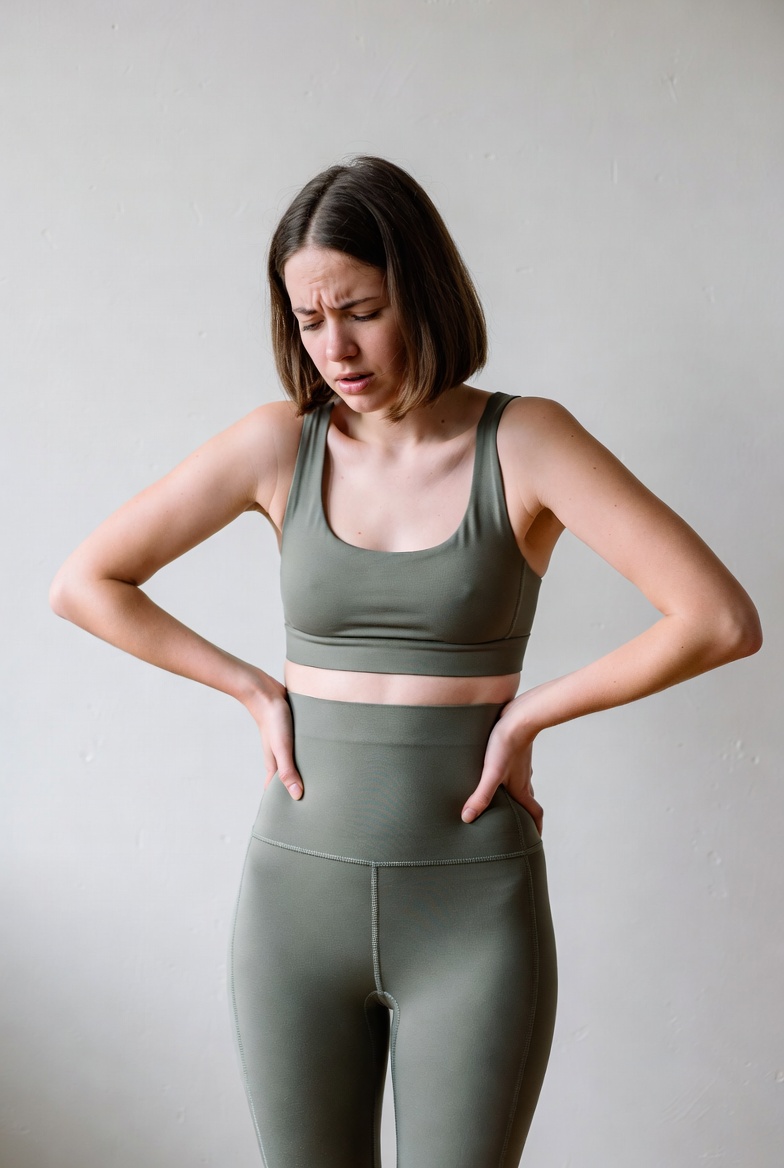
The purpose of high-waisted leggings is to give compression and support when the wearer is moving. These leggings are meant to fit tightly around the waist and hip points. severe tightness may impose persistent pressure on the front of the hip, which is where the lateral femoral cutaneous nerve travels. While modest compression can enhance stability and posture during exercise, severe tightness can cause this injury. Many contemporary leggings have thick waistbands, elastic panels, or shaping materials that focus pressure around the upper hip crease. These features are common in current leggings. When worn for lengthy periods of time, this pressure has the potential to irritate the nerve that lies below. Activities that include sitting, bending, or cycling might cause the pressure to grow even higher since the waistband pushes more firmly into the hip region during these activities. Compression performed repeatedly over a period of time might eventually result in the symptoms that are often linked with nerve irritation.
It is important to be aware of the symptoms of nerve compression.
As a result of the fact that the symptoms of meralgia paresthetica are often sensory rather than structural, it may be challenging to identify them at first. When first experiencing the condition, many persons report feeling a little tingling sensation or a patch of numbness around the outer leg. There are certain people who may have a searing discomfort or hypersensitivity, which causes even mild touch with cloth to feel painful. Irregular manifestations of these feelings are possible, particularly after wearing clothing that is too tight for an extended length of time. There are certain instances in which the symptoms improve rapidly once the pressure is eliminated, such as when the individual switches to clothing that is looser. It is usual for people who have this ailment to keep their full leg strength and mobility. This is because the nerve does not regulate the muscles. When individuals are not feeling any signs of weakness, they often fail to recognize the link between the clothes they are wearing and the nerve irritation they are experiencing.
Prolonged sitting and compression clothing are also factors.
It is possible for lifestyle choices to magnify the impact of wearing compressive clothing. Not only do a lot of individuals wear high-waisted leggings while they are working out, but they also wear them whether they are traveling, working, or just resting at home. As a result of the body folding at the waist, sitting for an extended period of time creates extra pressure on the front of the hips. When there is a waistline that is so tight that it presses on the nerve, the compression that occurs might become more noticeable. Individuals who are already suffering nerve irritation may consequently experience a worsening of their symptoms when they engage in activities such as driving, working at a desk, or taking lengthy flights. Because of the combination of external compression and restricted mobility, it is possible to create a condition in which the nerve is subjected to continuous pressure for lengthy periods of time, which increases the risk of experiencing pain.
Mechanics of the Body and Sensitivity of the Nerves
Different body mechanics may also play a role in determining whether or not an individual is vulnerable to meralgia paresthetica. The amount of strain that is imposed on the nerves that are located around the pelvis may be altered by a variety of factors, including hip breadth, posture, and abdominal pressure. As an example, circumstances such as a significant forward tilt of the pelvis or tight hip flexor muscles may result in an increase in pressure surrounding the nerve’s passage. It is possible that the nerve will become even more susceptible to irritation when compressive clothing is added to the structural variables that are already present. There is a possibility that those who engage in athletic activities that involve repeated hip motions, such as running or cycling, may also have increased friction around the nerve route. These biomechanical variables provide insight on the ways in which clothing interacts with the natural movement patterns of the body.
The development of compression clothing and the growth of fabric technology
Many pieces of contemporary sporting clothing are constructed from cutting-edge synthetic materials that are intended to give tailored compression and support for the muscles. The structure of these materials allows them to stretch while still retaining tension on the body, which may improve athletic performance and stability. Garments that combine high elasticity with tight waistbands, on the other hand, have the potential to mistakenly concentrate pressure in locations that are sensitive. Particularly high-rise designs have the potential to make compression more widespread over the hip area and the lower abdomen. Although many people who use the product do not have any problems, those who have sensitive nerves or who wear garments that fit too tightly may develop symptoms over time. It is becoming more necessary to be aware of the physiological impacts of compression clothing as it becomes more prevalent in regular wear.
Reducing the Risk of Nerve Irritation by Making More Intelligent Clothing Selections
For the most part, reducing the risk of meralgia paresthetica requires making straightforward alterations to the way that one’s clothing fits and their routines. One way to alleviate strain on the hip region is to wear leggings that provide a modest amount of compression rather than ultra-tight shaping. Selecting clothing that have waistbands that are softer or that have adjustable fits may also assist in the distribution of pressure more evenly. Making use of a variety of garments throughout the day gives nerves and soft tissues the opportunity to recuperate from the effects of prolonged compression. Altering one’s posture and moving about when sitting for extended periods of time might serve to alleviate additional tension on the hip bone. When it comes to reducing nerve irritation while retaining comfort and performance, it will continue to be crucial to strike a balance between the advantages of compression and ergonomic design as the technology behind clothes continues to advance.