Can Weighted Outerwear Improve Posture? The Biomechanics of Sensory Input on Upper Back Muscles
Can Weighted Outerwear Improve Posture? The Biomechanics of Sensory Input on Upper Back Muscles
Posture has become an increasingly important problem in contemporary living, especially due to the fact that prolonged periods of sitting at a desk, using a smartphone, and engaging in sedentary activities all exert continual pressure on the spine and the muscles that surround it. As a result of sitting for lengthy periods of time, a lot of people end up with rounded shoulders, a forward head posture, and upper back discomfort. As a direct result of this, several posture-supporting devices have gained popularity on the market. These goods include braces, wearable trainers, and, more recently, weighted outerwear. The purpose of weighted jackets and vests is to provide a little resistance to the upper body, which provides a minor mechanical input while the wearer is moving. Through the activation of the muscles that are responsible for bracing the shoulders and spine, this extra load may be able to induce improved alignment, according to some proponents. Even while the idea may seem to be straightforward, the process that underlies it is really rather complicated, since it includes interactions between biomechanics, sensory input, and neuromuscular regulation. To determine whether or not weighted clothes really have the capacity to impact posture, it is necessary to have an understanding of how the body reacts to very little external weight.
Acquiring Knowledge of the Function of the Upper Back in Relation to Postural Support
The upper back is home to a number of significant muscle groups that contribute to the overall maintenance of an upright posture. Several muscles, including the trapezius, the rhomboids, and sections of the erector spinae, are responsible for providing support and stability to the spine and shoulder blades. In order to counteract the effects of gravity and maintain the head’s position above the body, these muscles contract continually throughout the day. It is possible that the shoulders may progressively roll forward and the spine will adopt a more rounded posture when these muscles become weary or misused. The gradual occurrence of this shift might eventually result in a muscular imbalance, in which some muscles become excessively tense while others grow weaker. Consequently, in order to maintain a good posture while engaging in activities of daily living, it is necessary to strengthen and activate the muscles of the upper back.
The Idea of Sensory Feedback in Relation to Active Movement
In order to govern movement and posture, the human body must rely substantially on sensory input. Within the muscles, tendons, and joints, there are specialized receptors that are continually transmitting information to the brain about the position and tension of the body. The nervous system is able to make constant changes that help preserve balance and coordination thanks to a process that is known as proprioception. As a result of the addition of an external stimulation to the body, such as a light weight, these sensory receptors become more active. Because of the added stress, the input on the body’s position in space is more evident. This increased sensory input may, in principle, encourage people to modify their posture more often, which would assist them in maintaining better alignment throughout the day.
What Effect Does Weighted Outerwear Have on the Activation of Muscles?
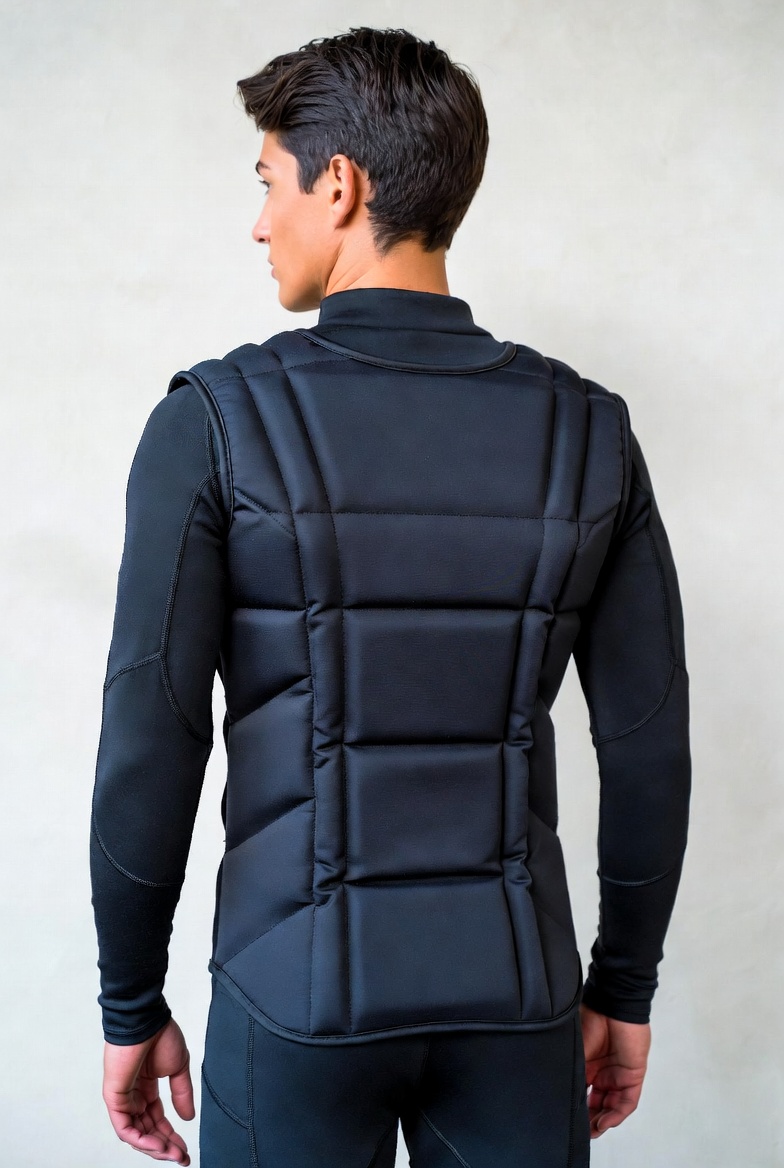
The weight of weighted clothing creates a little but visible pressure over the shoulders and upper back. Even a very little amount of weight may increase the amount of work that is required of the muscles that are responsible for stabilization. In response, the body takes action by activating the muscles that are accountable for maintaining the back of the shoulders and the spine in an upright position. By momentarily counteracting the forward pull that is generated by bad posture habits, this greater activity may be advantageous. If you wear the garment on a regular basis while you are moving about or doing everyday duties, the muscles may progressively develop as they work to sustain the additional weight. The impact is comparable to that of resistance training, in which muscles undergo adaptation to higher strain by enhancing their strength and endurance level.
Behavioral Adjustment and Awareness of Postural Arrangements
When you wear weighted clothes, you will experience an increase in your awareness of your body posture, which is one of the most immediate impacts. When the wearer feels weight across their shoulders, it often serves as a reminder to keep their posture erect. There is a possibility that the distribution of weight may alter in a manner that is unsettling or imbalanced as the shoulders collapse forward. The feedback helps the user to automatically fix their alignment via the use of this feedback. Adjustments made repeatedly over time may contribute to the development of improved postural habits. When a garment is properly aligned, the body tends to associate it with increased comfort and stability. This may progressively impact posture even when the garment is not being worn.
The Shoulder Blade Position and Its Effects on Biomechanics
Positioning of the shoulder blades, commonly referred to as the scapulae, is a significant factor in determining the health of one’s posture. When the scapulae are in a neutral position along the upper back, they provide a strong foundation for the mobility of the arms and the alignment of the spine. When someone has poor posture, they often experience a condition known as scapular protraction, which is characterized by the shoulder blades moving outward and forward. The scapulae may be encouraged to stay more stable by wearing weighted clothing because it increases the load that must be managed by the muscles that are around the scapula. Due to the fact that the muscles are contracting in order to support the weight, it is possible that they will naturally move the shoulder blades closer together, which allows for a more upright posture.
Constraints and Possible Dangers to Consider
It is not a universal approach for correcting posture, despite the fact that weighted clothing might give beneficial sensory input. The neck, shoulders, and spine might be subjected to unneeded pressure when an individual is carrying an excessive amount of weight, especially if the muscles are not trained to handle the weight. The unequal distribution of weight that might result from clothes with poor design can also lead to the formation of new imbalances rather than the correction of existing ones. Furthermore, depending simply on external support without also working to strengthen the muscles that lie under the surface may restrict long-term recovery. The passive support that clothing alone provides is not sufficient to ensure correct posture; rather, proper posture is ultimately dependent on muscular endurance, mobility, and regular movement patterns.
Utilizing Weighted Garments in conjunction with Physical Activity and Exercise
One way to optimize the potential advantages of weighted outerwear for persons who are interested in experimenting with it is to combine it with frequent mobility. Wearing a vest with a little weight while walking, doing chores that require standing, or engaging in modest exercise may help the muscles in the upper back to stay engaged for extended periods of time. Participating in this exercise helps to improve endurance in the muscles that are crucial for maintaining the spine’s stability. Rowing motions and scapular retraction exercises are two examples of strength training activities that target the upper back and may further reinforce these adaptations on a deeper level. When compared to depending just on the clothing, the combination of vigorous exercise and sensory input has the potential to achieve more significant gains.
How Wearable Posture Technology Will Develop in the Future
In response to the rapid development of wearable technology, designers are increasingly investigating the possibility of incorporating biomechanical assistance into ordinary apparel. There are several contemporary clothes that contain posture sensors that offer real-time feedback, flexible resistance bands, or dispersed weights. The concept behind these advances is to provide the musculoskeletal system with support that is both comfortable and useful. The use of weighted outerwear is one example of how clothes may interact with the natural feedback systems that are present in the body. This demonstrates the rising interest in clothing that actively promotes mobility, posture, and long-term musculoskeletal health. Although it may not be able to substitute exercise or physical treatment, it does indicate the growing demand in such clothing.