Cross-Body Bags vs. Backpacks: A Biomechanical Analysis of Trapezius Muscle Fatigue
Cross-Body Bags vs. Backpacks: A Biomechanical Analysis of Trapezius Muscle Fatigue
Despite the fact that carrying personal things is a daily need, the style of bag that we use might have major implications for our biomechanical health. Although they both serve a practical purpose, cross-body bags and backpacks have distinct ways of interacting with the musculoskeletal system, notably the muscles of the trapezius segment. When performing load-bearing activities, the trapezius muscle is an essential component in the process of stabilizing the shoulders and providing support to the cervical and thoracic spine. Muscular exhaustion, changed posture, and pain might be the result of uneven or persistent loading, particularly when the wearer is using the item for an extended period of time. In order to maximize comfort and minimize the danger of overuse injuries, it is vital to have a solid understanding of how various sizes of bags distribute weight and how they influence the activation of muscles. The findings of this investigation shed light on the reasons why careful bag selection and ergonomic changes may help minimize accumulated strain on the upper back and neck.
The Structure and Operation of the Trapezius Muscle
The occipital bone, the scapulae, and the clavicles are all attachment points for the trapezius, which is a wide, triangular muscle that spans the upper back and neck. Upper fibers are responsible for elevating and stabilizing the shoulders, while middle fibers are responsible for retracting the scapulae and lower fibers are responsible for assisting in depression and rotation. The shoulder blades are able to move in a coordinated manner because to this intricate design, which also helps to maintain proper posture in the upper body. Because it plays such an important part in load-bearing and shoulder mechanics, the trapezius muscle is very sensitive to asymmetrical pressures and chronic stress. This is something that may happen while carrying bags that distribute weight in an unequal manner.
Distribution of Loads in Bags That Are Cross-Body
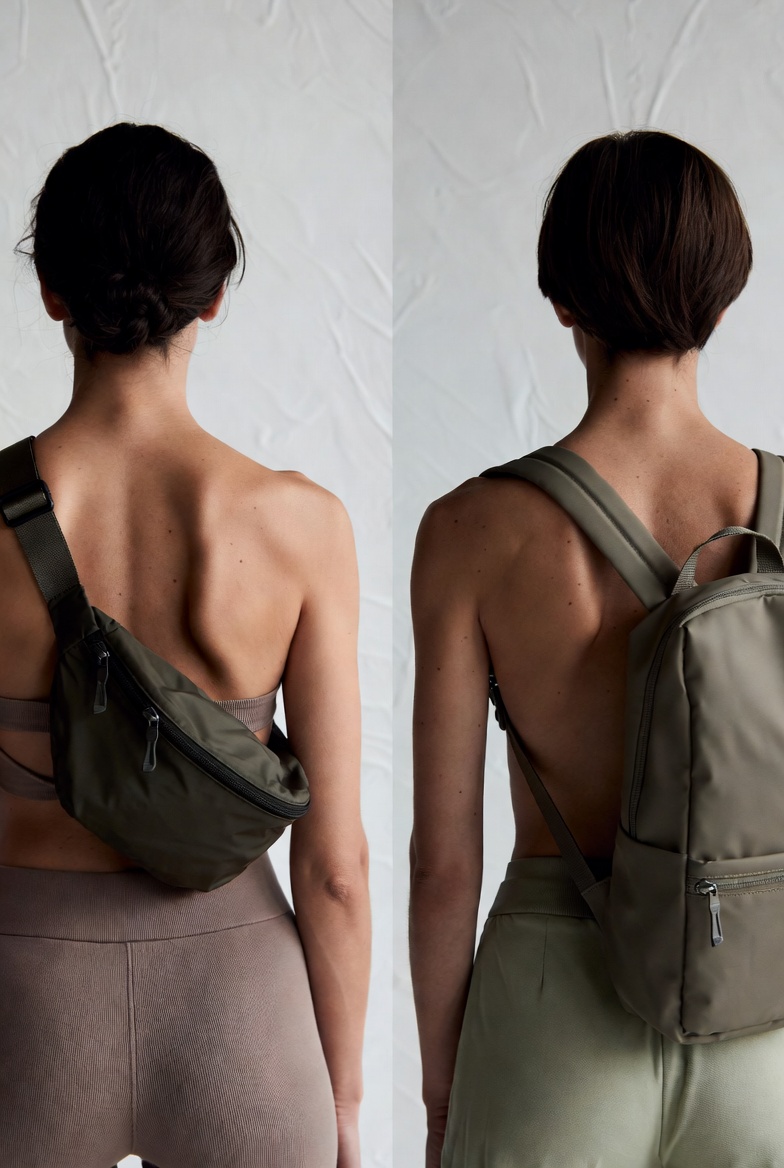
When worn across the torso in a diagonal fashion, cross-body bags distribute the weight mostly on one shoulder and across the upper chest. The unequal distribution of the load causes the trapezius muscle to become more active on the loaded side. This is because the trapezius muscle is responsible for stabilizing the shoulder and preventing it from drooping. When used for an extended period of time, repeated usage may eventually result in muscle fatigue, tightness, and even the creation of trigger points in the upper and lateral fibers. There is an increase in the amount of stress placed on the trapezius and the spinal structures that support it when compensatory postural changes are made. These adjustments include modest lateral bending or rotation of the torso.
The Distribution of Weight Through Backpacks
It is important to note that backpacks, particularly those that have two shoulder straps, distribute weight in a balanced manner over both the shoulders and the upper back. Comparatively, the use of cross-body bags results in a greater amount of isolated tension on the trapezius muscle. This allows the trapezius and the surrounding muscles to effectively divide the load with the latissimus dorsi and the erector spinae. Properly fitting backpacks with cushioned straps and lumbar support are also beneficial. Through the promotion of neutral alignment of the scapulae and cervical spine, symmetrical distribution reduces the possibility of muscular fatigue and postural compensation (also known as “postural compensation”).
The impact of the tension and fit of the straps
Both bag types have a substantial impact on the activation of the trapezius via the length and tension of the strap. Straps that are extremely tight may compress the shoulders and limit circulation, while straps that are slack or excessively long can increase the amount of work that is necessary to balance the weight. Strap tension determines the amount of contraction that the trapezius muscle must undergo in order to counteract the weight that is sagging in cross-body bags. An unequal adjustment of the straps of a backpack may result in asymmetry, which accidentally places greater burden on one side of the bag. For maximum muscle activation and to reduce fatigue as much as possible, proper fit is very necessary.
Fatigue and wear and tear on the muscles over time
Both types of bags, when worn for extended periods of time, exacerbate trapezius fatigue. Sustained unilateral load in cross-body bags causes constant contraction of the upper fibers, which may cause pain, stiffness, and soreness in the neck and shoulder area. This can be a consequence of the cross-body bag’s design. Excessive weight or improper fitting may cause fatigue, especially in the upper trapezius, even when backpacks are on the subject. It is important to take ergonomic issues into account while using a bag on a daily basis since the level of fatigue is dependent on the volume of the load, the length of the load, and the individual’s muscular endurance.
The Implications of Posture On
These two sorts of bags each have their own unique impact on posture. In order to adjust for the unbalanced load, cross-body bags stimulate lateral tilt and minor trunk rotation. This might possibly lead to chronic imbalance and muscle adaptation over time. When correctly fitted, backpacks provide support for an upright posture and a neutral alignment of the scapula. The fact that poorly fitting backpacks may nonetheless cause forward shoulder rounding or neck flexion highlights the fact that proper fit and weight management are just as essential as the type of the bag itself when it comes to maintaining good spinal alignment.
Considerations Regarding Functionality and the Aspects of Activity
In addition, the choice of bag need to be based on the activity level and length of usage of the user. Although they make it simpler to reach the contents of a cross-body bag when walking or commuting, these bags are more suitable for carrying lesser weights for shorter periods of time. In addition to decreasing the asymmetrical pressure that is placed on the trapezius, backpacks are able to tolerate higher weights and prolonged usage. It is possible to evaluate which style most effectively reduces muscle tiredness and provides functional comfort throughout the day by analyzing the demands of daily activities, the size of the load, and the patterns of movement.
Strategies to Reduce the Strain on the Trapezius Muscle
Users should emphasize ergonomic elements such as cushioned straps, adjustable lengths, and lightweight materials in order to bring about a reduction in the amount of trapezius strain they experience. It is possible to further avoid abuse by alternating the sides of the bag when using a cross-body bag, reducing the weight of the load, and continuously stretching the shoulders and upper back. Symmetrical adjustment, lumbar support, and correct load posture are all factors that contribute to increased muscle efficiency and less compensatory strain when it comes to backpacks. Conscious bag selection and careful usage both contribute to the maintenance of healthy trapezius muscles and promote the maintenance of a sustainable posture during everyday activities.