GLP-1 Friendly Diets: How to Maintain Muscle Mass While Taking Modern Metabolic Medications

GLP-1 Friendly Diets: How to Maintain Muscle Mass While Taking Modern Metabolic Medications
In the year 2026, GLP-1 receptor agonists have emerged as a technique that is frequently discussed for the purpose of providing metabolic support, managing weight, and regulating blood sugar levels. Despite the fact that these drugs have substantial effects on controlling hunger and maintaining glucose homeostasis, they may accidentally have an influence on the amount of nutrients consumed and the preservation of muscle. A significant number of people report a diminished appetite or an early sense of fullness, which may result in a reduction in the amount of protein consumed and difficulties in maintaining lean body mass. Maintaining an acceptable amount of protein, vitamin density, and strength-supporting foods while working synergistically with medicine is the primary goal of a diet that is favorable to GLP-1 use. Users are able to maximize their ability to lose fat while maintaining their muscle mass by coordinating their food planning with metabolic assistance. This approach indicates a comprehensive comprehension of the ways in which medicine, diet, and physical exercise interact with one another for the purpose of achieving long-term health.
What You Need to Know About GLP-1 and Its Effects
GLP-1 receptor agonists are substances that imitate the hormone glucagon-like peptide-1, which is a naturally occurring hormone that has an effect on insulin production, the control of hunger, and the emptying of the stomach. GLP-1 medicines help reduce calorie intake and maintain blood sugar by delaying digestion and inducing satiety. This is accomplished on a cellular level. Despite the fact that these effects are helpful for metabolic health, they may result in a reduction in spontaneous protein and calorie intake, both of which are necessary for the preservation of muscle. When it comes to developing a diet that supports both medication objectives and body composition, having a solid understanding of these physiological pathways is very necessary. As of the year 2026, the combination of pharmacology and diet is seen as an important component of individualized metabolic control techniques.
In order to maintain muscle mass, protein should be prioritized.
Consuming an adequate amount of protein is essential in order to maintain lean mass when undergoing GLP-1 medication. In order to repair and develop muscle tissue, essential amino acids are required. These amino acids may be obtained from high-quality sources such as lean meats, eggs, dairy products, legumes, and plant-based alternatives. A maximum amount of absorption is achieved and ongoing muscle protein synthesis is supported when protein is distributed throughout many meals. Even if you have a diminished appetite, concentrating on meals that are high in nutrients and protein can ensure that your muscles continue to be preserved while also supporting your therapeutic objectives. In the year 2026, the prioritizing of protein needs to be a fundamental component of GLP-1 compliant meal planning.
The Timing of Meals and the Distribution of Nutrients
In situations when hunger is repressed, the timing of meals becomes more significant. It is possible to acquire a suitable amount of protein and calories without experiencing pain by eating smaller meals more often. The combination of protein, complex carbs, and healthy fats helps to maintain energy levels throughout time, minimizes drops in blood sugar levels, and enhances the bodies’ ability to absorb nutrients. The enhancement of muscle repair and performance may be achieved by timing nutrition intake around exercise. In the year 2026, individuals who are using GLP-1 drugs are progressively being advised to use organized eating practices in order to guarantee that their metabolic and musculoskeletal health are in equilibrium.
Including Strength Training in the Program
There is no way that diet can completely sustain muscular mass. When it comes to preserving functional capability and promoting muscle protein synthesis, strength training and resistance exercise are absolutely necessary. Even a little amount of resistance training performed two to three times per week may help prevent the loss of muscle mass that may occur as a result of a reduction in calorie consumption. Maintaining adequate recovery and adaptation may be accomplished by combining GLP-1-friendly meals with post-workout protein products. When the year 2026 arrives, the incorporation of physical activity into medication-assisted metabolic treatment is considered to be the norm.
Recuperation and the Management of Micronutrients
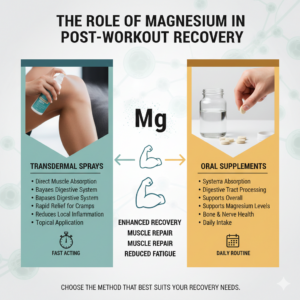
Through the modification of hunger and meal patterns, GLP-1 medicines have the potential to indirectly affect the absorption of micronutrients. Maintaining a healthy level of muscular function, energy metabolism, and general recovery may be facilitated by ensuring enough consumption of vitamins, minerals, and antioxidants. In particular, calcium, vitamin D, magnesium, and B vitamins are essential for maintaining healthy bones and muscles. The incorporation of a wide variety of meals that are rich in nutrients not only guards against deficiencies but also increases the advantages of physical activity and medicines. By the year 2026, micronutrient awareness will be an essential component of diets that are supportive of GLP-1.
Keeping the Electrolyte Balance and Hydration
It is very important to pay attention to both hydration and electrolyte balance, particularly while engaging in physical activity and when using drugs that suppress hunger. Having a lower food intake might lead to a lower intake of water and minerals; thus, it is essential to implement proactive hydration techniques. The contraction of muscles, the healing process, and the functioning of the nervous system are all supported by electrolytes such as sodium, potassium, and magnesium. In addition, enough water facilitates digestion and the absorption of drugs. In the year 2026, hydration is acknowledged as a key component of GLP-1-supported muscle health, despite the fact that it is often neglected.
Taking into account the suppression of appetite
These nutrient-dense drinks, smoothies, and fortified snacks that concentrate calories and protein without needing significant quantities are some of the strategies that may be used to be successful in overcoming appetite suppression. It is possible to boost hunger and guarantee proper nutritional intake by providing alternatives that are flavorful and attractive. In order to maintain consistency, it is helpful to prioritize meals around periods of peak hunger, which are often early in the day. By the year 2026, the integration of GLP-1 treatment with exercise and the maintenance of muscle mass will need the implementation of realistic interventions for hunger control.
Progress Monitoring and Adaptation to Change
For the purpose of determining whether or not a diet that is favorable to GLP-1 is beneficial, it is vital to monitor muscle mass, strength, and general body composition. Adjustments may include increasing the amount of protein consumed, including physical exercise, or adjusting the time of meals depending on the outcomes that were noticed. It is important to conduct regular assessments to ensure that the advantages of medicine do not come at the price of functional health or lean tissue quality. By the year 2026, individualized monitoring and adaptive techniques will have become the norm for maximizing the results of both metabolic and musculoskeletal processes.
The Prospects for Nutrition That Is Compatible With Medications
The convergence of pharmacology, nutrition, and fitness science is going to be very important in the future of diets that are supportive of GLP-1. It is expected that patients who are taking metabolic drugs would increasingly be required to follow individualized exercise programs, functional diet planning, and sophisticated supplementation guidelines. Taking a holistic approach to health and longevity is shown by the practice of maintaining muscle while reaping the benefits of medicine. In the year 2026, meals that are favorable to GLP-1 are no longer a secondary issue but rather a primary approach for establishing metabolic and physical health that is balanced and sustained.