Shallow Breathing and Waist Belts: How Restrictive Clothing Impairs Diaphragmatic Excursion
Shallow Breathing and Waist Belts: How Restrictive Clothing Impairs Diaphragmatic Excursion
The process of breathing is a physiological activity that is both automatic and highly coordinated. It is dependent on the flawless contact that occurs between the diaphragm, the rib cage, and the abdominal cavity. Clothing is seldom taken into consideration in connection to breathing patterns, despite the fact that elements such as stress and posture are often mentioned in relation to breathing patterns. Waist belts, shapewear, and other clothes that are not loosely fitting may exert a continuous pressure around the middle, which can slightly affect the way the body breathes throughout the day. Many people who wear clothes that is too tight for a lengthy period of time may automatically shift toward chest-dominant, shallow breathing without even being aware of it. This shift has the potential to affect the efficiency of breathing, as well as contribute to feelings of exhaustion, stress, and decreased oxygen exchange. During the process of inhalation, the diaphragm, which is the major muscle responsible for breathing, needs sufficient room before it can descend lower. The body will adjust the mechanics of breathing in order to compensate for the restriction of this movement. By gaining an understanding of the ways in which waist compression influences diaphragmatic excursion, one may get insight into the underlying physiological effect that ordinary clothing choices have.
How the Diaphragm Contributes to the Process of Normal Breathing
Located at the base of the lungs, the diaphragm is a dome-shaped muscle that serves to separate the chest cavity from the abdominal cavity. By contracting and moving lower during the process of inhalation, the diaphragm generates a negative pressure that pulls air into the lungs at the same time. This downward movement also makes it possible for the abdominal organs to shift somewhat, which permits them to accommodate the enlargement of the lungs at the same time. When one is in a state of relaxation, this process leads to diaphragmatic breathing, sometimes known as “belly” breathing, in which the abdomen expands softly with each breath it takes. This method of breathing is effective and promotes the most efficient exchange of oxygen molecules. In addition to this, it allows the body to have a calm and regulated respiratory rhythm by reducing the unneeded tension that is present in the muscles of the upper chest and the neck.
Ways in Which Waist Belts Limit the Expansion of the Abdomen
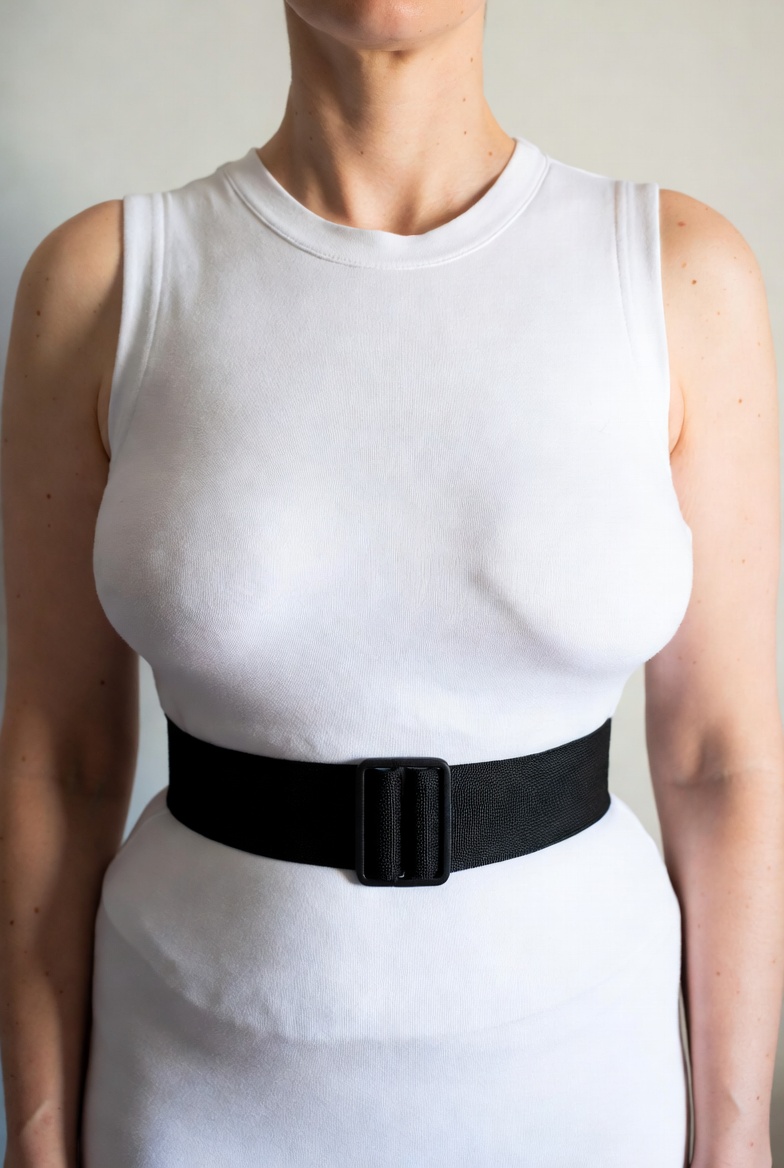
There is a natural outward expansion of the belly that occurs with inhalation; however, waist belts and other tight clothes compress the abdominal area. When the diaphragm makes an effort to travel lower, it is met with resistance from the external pressure that is exerted by the belt. This constraint lowers the amount of space that is available for the abdominal organs to move, which in turn effectively restricts the range of motion of the diaphragm. Consequently, the body may have difficulty taking complete, deep breaths as a consequence of this. Because the limitation is often mild, it may be difficult for patients to identify that there has been a shift in their natural breathing rhythm. As time passes, this constraint may result in a gradual decrease in the amount of movement that occurs in the diaphragm.
An Increasing Predominance of Breathing from the Chest
Therefore, when there is a restriction in the movement of the diaphragm, the body will adjust by placing a greater emphasis on the muscles of the chest and the upper ribs. Chest breathing, also known as shallow breathing, is characterized by the upward movement of the rib cage rather than the expansion of the abdominal cavity. Despite the fact that this technique still permits air to enter the lungs, it is less effective and draws more energy from the body. In order to maintain this changed pattern, the accessory muscles of breathing, which include those in the neck and shoulders, become more active. Tension, stiffness, and tiredness in the upper body might develop over time as a result of an increasing dependence on these muscles.
Influences on the Exchange of Oxygen and the Levels of Energy
It is very necessary to breathe effectively in order to keep the levels of oxygen in the body at an acceptable level. When you breathe using your diaphragm, you are able to take in more air, which helps you to reach the bottom areas of your lungs, which are where oxygen exchange is highest. Shallow breathing, on the other hand, restricts the amount of air that may enter the lungs and decreases the efficiency with which gas exchange might take place. It is possible for this to result in slight reductions in the amount of oxygen that is available, especially during extended durations of restricted breathing. There is a possibility that individuals may suffer symptoms such as weariness, decreased focus, or an overall feeling of less energy. The consequences of wearing restricting clothes on a daily basis may be cumulative over time, despite the fact that they are often moderate.
Interaction Between the Mechanics of Breathing and Posture Position
One of the most important factors that determines how one breathes is one’s posture. Sitting over extended periods of time, particularly with a forward-leaning posture, already exerts strain on the abdominal area and restricts the mobility of the diaphragm. If you add a belt that is too tight to this place, the limitation will become much more noticeable. When combined, external compression and bad posture may dramatically restrict the amount of room that is available for the diaphragm to operate in an efficient manner. By demonstrating how clothes and body location interact with one another to alter breathing patterns throughout the day, this interaction demonstrates these two factors.
Pressure that is higher than normal inside the abdominal cavity
Not only does clothes that restrict mobility restrict movement, but they also increase the pressure that is present inside the abdominal cavity. This pressure has the potential to alter the overall pressure balance which exists between the chest and the belly, as well as the way in which internal organs move throughout the process of breathing. When the diaphragm is in its normal position, it moves freely, which results in pressure differences that generate airflow. In the event that this equilibrium is disrupted by external compression, the body is required to adjust by altering the mechanics of breathing. Especially after meals or while sitting for an extended period of time, increased abdominal pressure may also be a factor in the feelings of tightness or discomfort that arise.
Habits of breathing that have changed over the long term
Because of the tremendous degree of adaptability of the human body, repeated patterns of behavior often become habitual over the course of time. People who wear restricting garments or belts on a regular basis may progressively develop a tendency of shallow breathing as their default breathing pattern. Despite the removal of the restricting clothing, the body may continue to depend on chest-dominant breathing due to the habitual nature of the situation. The process of reversing this adaptation without making a conscious effort might be challenging. Long-term breathing patterns that are inefficient may be a contributing factor in the development of chronic tension in the neck and shoulders, in addition to a reduction in the overall respiratory efficiency.
Providing Support for Healthy Breathing Through the Selection of Clothing
In order to keep respiratory mechanics at their best level, it is frequently necessary to make simple alterations to everyday routines and clothing selections. It is possible to considerably increase diaphragmatic mobility by selecting belts and clothing that allow for comfortable abdominal expansion. When it comes to reducing unneeded strain on the midriff, looser fits or designs that are adjustable are helpful. One further way to mitigate the negative consequences of temporary limitation is to take frequent pauses to stand, stretch, and practice deep breathing. It is possible for people to promote more effective breathing, increased oxygen exchange, and higher general comfort throughout the day by allowing the diaphragm to move freely.