Raynaud’s Syndrome and Office Layering: The Science of Keeping Peripheral Blood Vessels Dilated
Raynaud’s Syndrome and Office Layering: The Science of Keeping Peripheral Blood Vessels Dilated
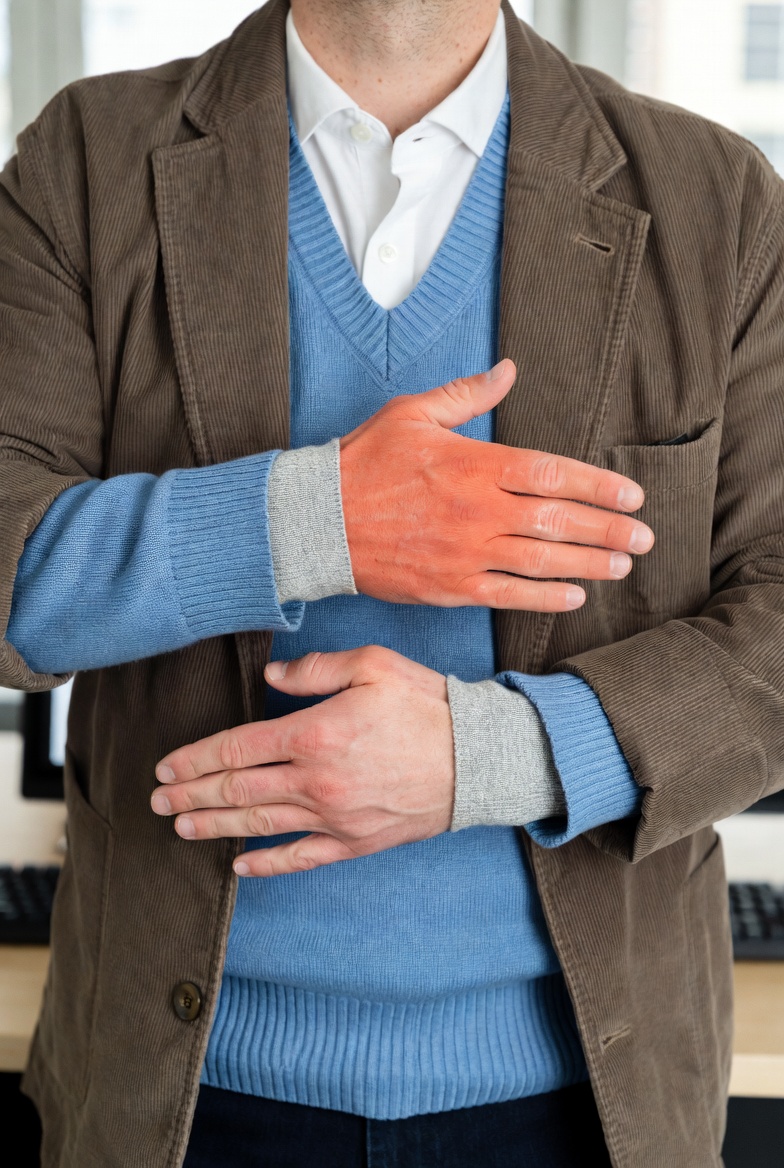
It is possible for persons who have Raynaud’s syndrome to experience more than simply discomfort when they are in cold office surroundings; these situations may actively cause periods of restricted blood flow to the fingers, toes, and other extremities. This disorder is characterized by an excessive vasoconstriction, which occurs when tiny blood vessels contract in reaction to conditions such as cold or stress. This narrowing of blood vessels restricts circulation and causes obvious color changes as well as numbness. When it comes to preserving vascular stability, ordinary aspects like clothing and layering methods are sometimes disregarded, despite the fact that medical care plays a part in the process. It is possible for office apparel, especially in climate-controlled facilities, to either assist or impede thermoregulation. The purpose of strategic layering is not merely to keep oneself warm; rather, it is to keep one’s skin temperature stable in order to avoid abrupt vascular reactions. Through an awareness of the ways in which the selection of fabric, insulation, and heat retention interact with the circulatory system of the body, people are able to make educated decisions that assist in maintaining the dilation of peripheral blood vessels and ensuring that they perform more efficiently during the course of the workday.
Acquiring Knowledge about Raynaud’s Syndrome and the Vascular Response Method
Raynaud’s syndrome is characterized by an overreaction of the thermoregulatory system of the body, notably in the tiny arteries that feed blood to the extremities. When exposed to cold temperatures, these veins constrict more than is required, which results in a reduction in the amount of blood that flows to the afflicted regions. Consequently, this results in a series of color changes, which often begin with a light tint and then progress to blue and then red when circulation resumes. In the neurological system, which is responsible for controlling vascular tone, there is a connection between the underlying process and increased sensitivity. Because even little decreases in temperature may cause this reaction, maintaining a steady temperature is an essential component in the management of symptoms. Therefore, preventative measures against sudden temperature shifts are very necessary in order to keep blood flow steady.
What Function Does the Temperature of the Core Play in Peripheral Circulation?
Through the process of maintaining core temperature, the body places a high priority on the preservation of important organs, which often comes at the price of peripheral circulation. As soon as the core temperature starts to drop, the body reacts by tightly restricting the blood vessels in the hands and feet in order to preserve heat. Amplification of this reaction occurs in those who have Raynaud’s syndrome. A warm core is one of the most efficient methods to indirectly sustain blood flow to the extremities. This is because the core is the center of the body. The use of layering tactics that insulate the torso helps lessen the requirement for this protective vasoconstriction, which in turn allows peripheral vessels to continue to be more open and functioning.
The Reasons Behind the Origin of Symptoms in Office Settings
It is common practice to keep modern office spaces at temperatures that prioritize the comfort of the equipment and the environment as a whole above the physiological requirements of individual employees. The use of ventilation systems, air conditioning, and sitting for extended periods of time are all factors that might lead to a lower body temperature. In addition, sedentary employment decreases the amount of muscular activity, which naturally contributes to the production of heat and the promotion of circulation. Those who suffer from Raynaud’s syndrome are more prone to have constriction of their blood vessels as a result of the environment that these elements generate. Cold surfaces, such as desktops or keyboards, may cause symptoms to appear even after just a short period of time. Because of this, proactive temperature control is a key component in environments similar to workplaces.
Choosing the Right Fabric and Insulating It Thermally
There are a variety of textiles that provide varying degrees of thermal protection. Materials that are able to efficiently trap air generate insulation, which helps to keep a consistent temperature near to the skin. Wool and other natural fibers, as well as layered mixes, have a tendency to regulate heat more effectively than synthetic textiles that are typically thin. Not only is it important to increase weight, but it is also important to construct layers that are able to keep the body warm without causing it to overheat. Fabrics that are breathable are especially significant because they enable moisture to escape while still maintaining the body’s interior temperature. The selection of the appropriate fabric helps to ensure that the body maintains a constant temperature, which in turn reduces the risk of rapid vascular responses developing.
Strategies for Maintaining Temperature Stability Through Layering
In order to achieve effective layering, it is necessary to combine various clothing in order to provide customizable insulation during the day. It is beneficial to have a base layer that is near to the skin because it helps to retain body heat, while mid-layers provide further insulation. When it comes to the workplace atmosphere, outer layers serve as barriers that prevent colder air from entering. By using the versatility of layering, people are able to adjust to fluctuating temperatures without putting their bodies in danger of experiencing sudden cooling. Through the progressive removal or addition of layers, it is possible to maintain a consistent temperature state, which is essential for minimizing vasoconstriction in persons who have vascular systems that are more sensitive.
The Importance of Providing Support for the Extremities
The protection of the hands and feet is just as critical as the maintenance of the core temperature, which is required. Wearing gloves, thick socks, and footwear with insulation may assist in maintaining heat in these regions that are susceptible to loss. Despite the fact that they are not very noticeable, small solutions such as fingerless gloves or warming insoles may make a major impact in the workplace. By maintaining a warm temperature in the extremities, one may lessen the probability of experiencing localized temperature dips that cause vasoconstriction. Maintaining a consistent level of protection helps to maintain the dilation of blood vessels, which in turn promotes improved circulation and reduces pain.
Providing Support for Circulation Through Movement and the Retention of Heat
In addition to wearing clothes, being active on a consistent basis is an important factor in sustaining circulation. It is possible to create heat and boost blood flow with simple motions such as stretching, walking, or flexing the fingers. By combining exercise with the appropriate layers of clothing, the body is better able to keep its temperature stable. It is also possible to improve circulation by raising the internal temperature via the use of heat retention measures, such as warm drinks or heated devices or accessories. The combination of these treatments results in a thermal environment that is more stable, which in turn reduces the frequency of Raynaud’s episodes as well as their intensity.
Developing a Management Plan for Vascular Comfort in the Workplace
A mix of awareness and adaptations that are practical are required in order to successfully manage Raynaud’s syndrome in an office environment. It is possible to dramatically increase comfort and circulation by making thoughtful clothing selections, layering in a smart manner, and paying attention to environmental circumstances. It is possible for people to lessen the triggers that cause vasoconstriction by ensuring that their body temperature remains stable and avoiding abrupt exposure to cold temperatures. As time passes, these tactics eventually become ingrained in a pattern that not only promotes productivity but also overall well-being. Individuals who have a better understanding of the science underlying thermoregulation and vascular response are better able to design a working environment that is in accordance with their physiological requirements.