Restrictive Armholes and Shoulder Impingement: How Jacket Tailoring Affects Scapular Range of Motion
Restrictive Armholes and Shoulder Impingement: How Jacket Tailoring Affects Scapular Range of Motion
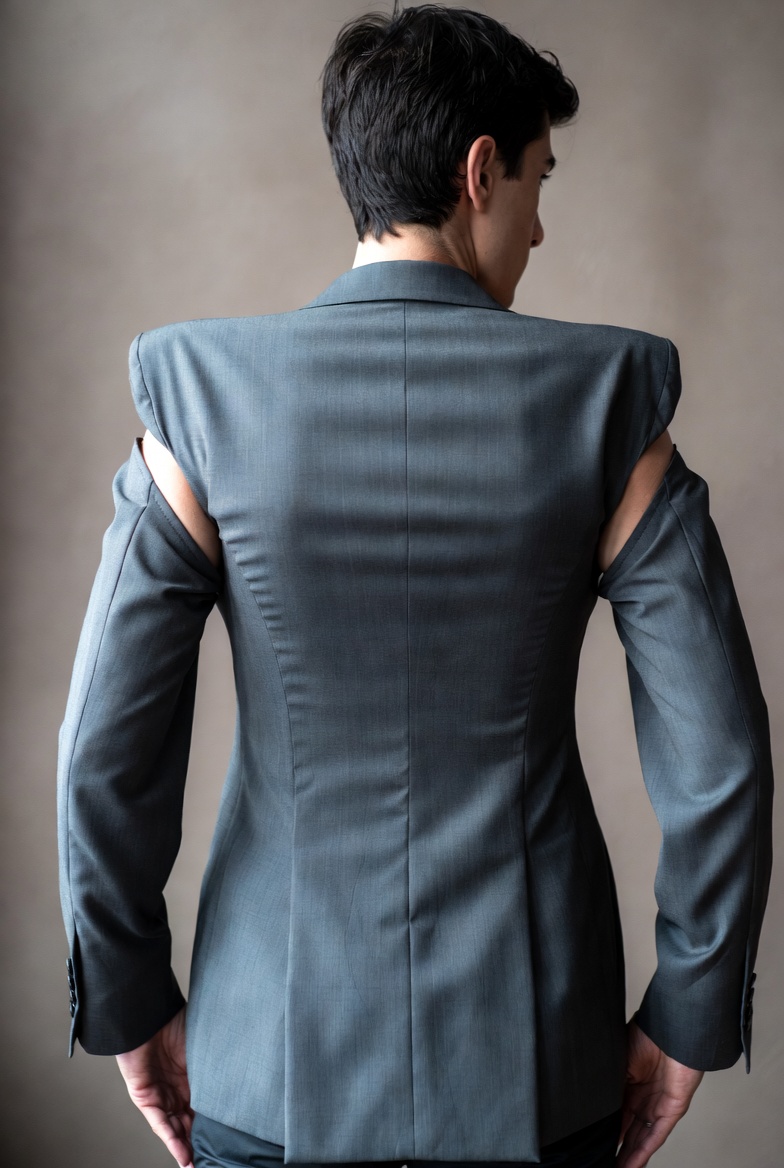
Subtle structural elements may have a big impact on how the body moves, despite the fact that modern tailoring often places an emphasis on a precise shape. One aspect that is sometimes disregarded is the design of the armholes in jackets, especially when they are cut too narrowly or positioned too high without the appropriate shape. It is possible that restrictive armholes may seem polished while the wearer is standing still; yet, they may interfere with the normal shoulder mechanics that occur during ordinary movement. The humerus, the scapula, and the muscles that surround the shoulder need on coordinated mobility in order to function properly. The shoulder is one of the most mobile joints in the body. It is possible for clothes to affect biomechanics and increase the strain on soft tissues when it inhibits mobility in this manner. Over the course of time, these limits may be a contributing factor in the development of pain, decreased mobility, and even conditions that include shoulder impingement. By gaining an understanding of how tailoring influences scapular mobility, one may better appreciate the significance of striking a balance between aesthetics and functionality in the design of daily clothes.
The Shoulder and Scapular Movement: An Anatomy of the Movement
The glenohumeral joint and the scapulothoracic articulation are two of the many joints that make up the shoulder complex. These joints work together to accomplish their functions. In order to provide support for arm movement, the scapula, also known as the shoulder blade, performs an important function by moving along the rib cage. This synchronized action, which is widely known as scapulohumeral rhythm, enables the arm to raise, rotate, and extend in an effective manner. The correct mobility of the scapula ensures that the muscles and tendons are operating within their ideal ranges, which in turn reduces the likelihood of strain. It is possible for any constraint that restricts this motion to throw off the equilibrium between stability and mobility, which in turn places extra stress on the structures of the shoulder.
Considering the Effects of Armhole Design on Mobility
The armholes of a jacket are what govern how it works with the shoulder joint and the upper torso. There is a restriction placed on the shoulder’s natural extension and rotation when the armholes are cut too tightly or do not have proper shape. It is possible that the cloth may draw on the body when the arm elevates or travels forward, which would restrict the range of motion. This limitation compels the user to make adjustments to their actions, often unconsciously, in order to avoid experiencing pain. In spite of the fact that a snugly fitting armhole might improve one’s look, it must be meticulously designed to ensure that there is enough room for dynamic movement.
Restrictions imposed by mechanical means and altered patterns of movement
Armholes restrict mobility, and the body responds by modifying its normal motion patterns in order to compensate for this restriction. The user may have to depend more on the muscles in their neck and upper back in order to accomplish the necessary mobility. This is because the scapula may not be able to move freely. It is possible for this adjustment to result in inefficient biomechanics, in which some muscles become hyperactive while others are neglected. These alterations in patterns may, over time, lead to imbalances that have an impact on posture as well as the function of joints. Regular compensating has a cumulative impact that makes it more likely that the individual would experience pain and have decreased mobility.
Implications for Shoulder Impingement Connection
The condition known as shoulder impingement occurs when the tendons of the rotator cuff get squeezed inside the shoulder joint as a result of joint movement. When it comes to maintaining sufficient space for these tendons, proper scapular posture is very necessary. Wearing apparel that restricts scapular mobility may cause this alignment to be disrupted, which in turn increases the risk of shoulder compression. If the scapula is constricted, it may not rotate upward when the arm is elevated, which results in a reduction in the amount of space available inside the joint. In the long run, this may result in irritation, inflammation, and discomfort, especially when done repeatedly with motions.
Tension in the Fabric and the Distribution of Load
The force that is distributed over the shoulder and upper torso is impacted by the tension that is caused by armholes that are too tight. Due to the fact that the fabric is resistant to movement, it distributes load to certain areas on the body, such as the shoulder seam and the upper arm seam. As the body strives to overcome the constraint, this localized pressure might cause an increase in the activation of the appropriate muscles. Repeated exposure to this load may, over the course of time, help to lead to feelings of exhaustion and discomfort. When it comes to how a garment interacts with the body while it is in motion, the distribution of tension within the garment is therefore an important factor.
Implications for Everyday Activities and Movement That Is Functional
Jackets that are too restrictive may make it difficult to do a broad variety of actions that are commonplace, such as reaching above, typing, or transporting goods. Over the course of a day, even very minor restrictions in shoulder mobility may add up to a significant amount of pressure on the upper body. It is possible that activities that involve repeated arm movement may become more tiring as the body attempts to compensate for the absence of زادό in the shoulder joint. This may result in a decrease in overall efficiency and may also lead to a sensation of stiffness or exhaustion, especially after extended physical activity.
Movement-Supporting Tailoring Techniques and Methods
Jackets that are well-designed employ tailoring methods that successfully strike a balance between practicality and fit. Additional comfort in the shoulder region, appropriately designed armholes, and articulated sleeves are some of the features that allow for a broader range of motion. Make sure that the garment moves with the body rather than against it by using the fabric and construction processes in a strategic manner. Although these design considerations assist to preserve natural biomechanics, they also contribute to the achievement of a polished look. The purpose of this endeavor is to design a clothing that is not only fashionable but also comfortable to wear.
Finding Jackets That Are in Accordance with Biomechanics Choices
When it comes to long-term comfort and joint health, it is crucial to choose jackets that allow for natural shoulder mobility. It is possible to improve one’s ability to notice potential limits by paying attention to how a garment feels during dynamic motions as opposed to just standing motionless. It is possible to improve mobility without sacrificing style by using fabrics that have a moderate degree of elasticity and a clever construction. It is possible for people to lessen the likelihood of experiencing mobility restrictions and to encourage good scapular mechanics in daily use if they give equal weight to both fit and function.