Visceral Hypersensitivity: Why “Soft Pants” Are a Medical Necessity for Managing IBS Flare-Ups
Visceral Hypersensitivity: Why “Soft Pants” Are a Medical Necessity for Managing IBS Flare-Ups
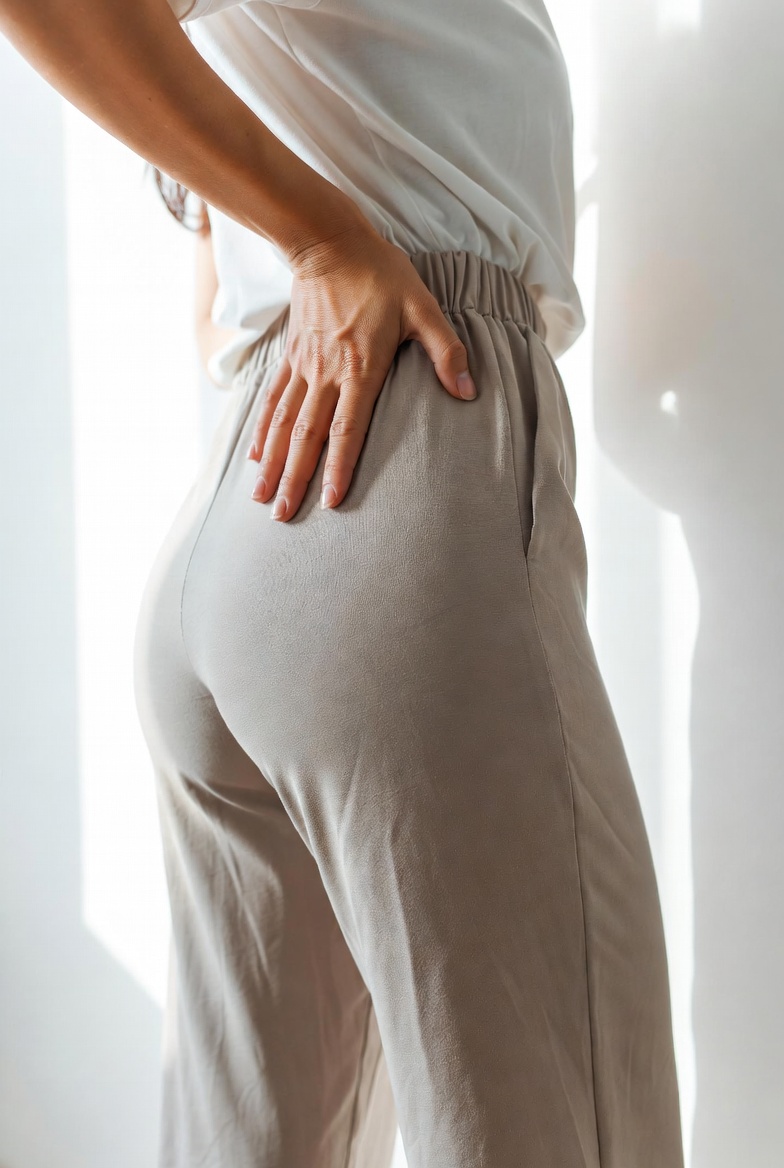
Inflammatory bowel syndrome, often known as IBS, is a persistent condition that affects the digestive system and is characterized by stomach discomfort, bloating, and abnormal bowel patterns. One of the characteristics of irritable bowel syndrome (IBS) that is less often mentioned but clinically relevant is visceral hypersensitivity, which is characterized by an increased sensitivity of the internal organs to normal physiological activity. During flare-ups, even a little amount of abdominal pressure from clothes may make the agony that many people are experiencing significantly worse. A non-pharmacological approach that is both practical and effective in addressing these symptoms is the use of “soft trousers,” which are bottoms that are loose, elasticized, and do not limit movement. These garments decrease sensory triggers that might aggravate pain and suffering by minimally applying pressure from the outside to the abdominal and pelvic area. When it comes to complementing medical therapy and enhancing day-to-day comfort for persons who suffer from irritable bowel syndrome (IBS), this understanding of how clothing interacts with visceral hypersensitivity highlights the significance of ergonomic wardrobe choices.
Physiological Mechanisms Underlying Visceral Hypersensitivity
When the nerves of the gastrointestinal system become extremely sensitive to typical mechanical or chemical stimuli, a disease known as visceral hypersensitivity affects the nerves in the gastrointestinal tract. Those who suffer from irritable bowel syndrome (IBS) are susceptible to experiencing exaggerated pain signals in their brains as a result of ordinary digestion, bowel movements, or modest abdominal distension. Peripheral nerves in the stomach and central processing pathways are both affected by the increased neural sensitivity, which results in the formation of a feedback loop that increases the pain. Excessive pressure from tight clothes, such as waistbands, belts, or textiles that are stiff, may increase these signals, which in turn can worsen discomfort during flare-ups.
An Explanation of the Mechanical Pressure That Clothing Puts on the Abdomen
The abdominal wall is subjected to continual compression when individuals wear trousers, jeans, or structured skirts that are snugly fitting. Because of this pressure, the space that is available for the gastrointestinal system to expand normally during digestion is diminishing. Even a little limitation may cause an increase in the internal pressure on the intestines in those who have irritable bowel syndrome (IBS), which in turn amplifies the sensory input from the hypersensitive nerves. The regions around the lower abdomen and pelvis are more susceptible to abdominal cramps, bloating, and heightened awareness of bowel motion. This is because pressure in these areas may cause these symptoms. Garments that are loose-fitting are beneficial because they aid to maintain the natural mobility and distension of the abdominal organs.
A Look at the Functions of Stretch and Elastic Fabrics
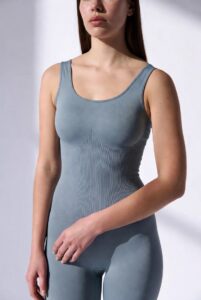
When it comes to the treatment of irritable bowel syndrome (IBS), soft trousers often feature elastic or flexible materials that softly contour to the body without crushing it. During movement, these materials give flexibility, which enables the abdomen to expand in a natural manner without their being any obstructions. Stretch textiles, as opposed to rigid denim or woven materials, decrease friction and pressure points, both of which have the potential to irritate delicate muscle tissue. Because they are able to accommodate dynamic variations in abdominal volume throughout the day, these garments reduce the number of mechanical triggers that increase the likelihood of experiencing pain.
Considerations Regarding Temperature and Circulatory System
Additional factors that impact visceral sensitivity include the control of temperature and blood flow in the abdominal region. During flare-ups, wearing clothes that is too tight might hinder local circulation, which can make the pain worse. Soft, breathable textiles encourage appropriate blood flow and heat dissipation, which helps prevent aggravation of visceral nerves and abdominal muscles. Furthermore, these fabrics are breathable. By ensuring that the microenvironment surrounding the stomach remains comfortable, loose trousers provide an indirect contribution to the treatment of symptoms, therefore encouraging the relaxation of both the neurological and muscular systems.
Comfort on a Psychological and Sensory Level?
Not only can clothing that is restricted have an effect on people’s bodily sensations, but it may also make them feel more stressed out mentally. Irritable bowel syndrome (IBS) sufferers often feel anticipatory anxiety in relation to the onset of symptoms. Pants that are comfortable and do not limit movement provide the wearer a feeling of freedom and control, which in turn reduces feelings of discomfort and worry. Due to the fact that stress may further worsen visceral hypersensitivity via gut-brain communication pathways, this sensory comfort is an essential feature of the therapy of symptoms.
An Examination of Loose-Fitting Pants in Relation to Conventional Styles
During flare-ups, the comfort level of loose-fitting clothes is consistently higher than that of conventionally fitted models, according to research and patient experiences. Those who wear trousers that are high-rise, stiff, or tight often experience an increase in bloating, cramping, and postprandial discomfort. On the other hand, trousers that are soft and with waistbands that are either low-rise or adjustable enable the abdomen to expand freely, which reduces the amount of mechanical stimulation that is applied to hypersensitive visceral nerves. These clothes are very helpful when worn during meals, particularly while sitting for extended periods of time or when engaging in physical activities.
The Use of Soft Pants in the Management of Irritable Bowel Syndrome
When it comes to the therapy of irritable bowel syndrome (IBS), soft trousers are a useful addition to dietary, pharmaceutical, and lifestyle interventions. They are particularly helpful at times of active flare-ups, travel, or work, which are all times when stomach pain is more likely to interfere with regular activities. You may increase the level of comfort you experience by choosing clothing that have adjustable waistbands, soft fabrics, and few seams. Individuals who suffer from irritable bowel syndrome (IBS) may improve their overall symptom management and quality of life by maintaining a consistent clothing choice, as well as paying attention to posture and mobility.
Beneficial Effects on Visceral Hypersensitivity Over the Long Time
In the long run, reducing the amount of external abdominal pressure may help lessen the accumulated sensory triggers that make visceral hypersensitivity worse. Despite the fact that soft pants can not change the underlying pathophysiology of irritable bowel syndrome (IBS), they do assist create an environment that is supportive for the nervous system and the stomach, which prevents symptoms from becoming unnecessarily worse. Wearing these clothes on a regular basis gives patients the ability to take preventative measures against flare-ups, which in turn improves their level of comfort, mobility, and confidence in both personal and professional contexts.