Barefoot Shoes and Proprioception: How Thin Soles Rewire Your Brain’s Spatial Awareness
Barefoot Shoes and Proprioception: How Thin Soles Rewire Your Brain’s Spatial Awareness
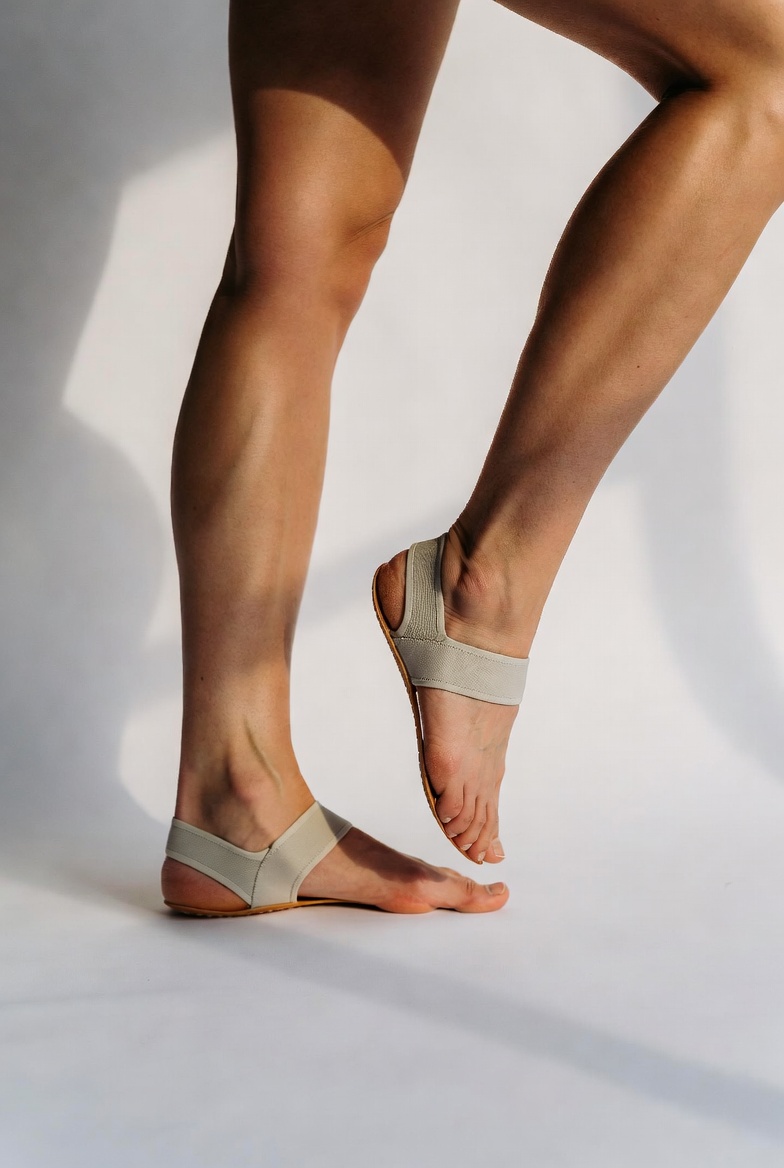
A growing number of people, including runners, hikers, and daily users who are looking for a more intimate connection to the earth, are opting for minimalist footwear, which is also known as barefoot-style shoes. The soles of these shoes are so thin and flexible that they limit the amount of cushioning and support that they provide, therefore enabling the foot to move in a more natural manner. In addition to the mechanics of the foot, this design has a substantial impact on proprioception, which is the sensory capacity of the body to perceive its location and movement in space. As a result of the increased sensory input from the plantar surface, thin soles improve communication between the feet and the neurological system. This, in turn, prompts the brain to change posture, balance, and gait. When worn on a consistent basis, barefoot shoes have the potential to change brain pathways that are responsible for spatial awareness. This may result in enhanced coordination, balance, and functional stability over duration. By gaining an understanding of the physiological and neurological factors that are responsible for this adaptation, one may see why the selection of footwear goes beyond the realm of fashion and comfort.
What Function Does Proprioception Serve in Movement?
Proprioception is the internal navigation system of the body, and it monitors position and movement by depending on sensory information from the skin, muscles, tendons, and joints. In the foot, mechanoreceptors are responsible for detecting pressure, texture, and ground contact. These mechanoreceptors then convey signals to the brain, which in turn determine alterations to gait and balance. The body is able to adapt to tiny changes in terrain, coordinate the activation of muscles, and maintain equilibrium when it receives accurate proprioceptive input for its movements. It is possible for this feedback to be blunted by reduced sensory input, such as that which is offered by thick, cushioned shoes. This might possibly decrease spatial awareness and increase the chance of errors or injuries.
The Ways in Which Thin Soles Improve Sensory Input
The plantar surface of the foot is able to contact more directly with the ground while wearing barefoot shoes since the soles of these shoes are thin and flexible. This design places an emphasis on tactile input, which in turn stimulates mechanoreceptors, which are responsible for detecting minute changes in pressure and texture. The consequence is that the brain gets more detailed sensory information about the positioning of the foot, the angle of the surface, and the distribution of weight. This increased feedback loop strengthens proprioceptive pathways, which in turn encourages adaptive neuromuscular responses that enhance balance and coordination when the body is in motion.
Adaptation of the Nervous System to Minimalist Footwear
Alterations in the brain’s neuroplasticity may occur as a result of prolonged exposure to the enhanced sensory information that thin soles provide. The cognitive circuits that are responsible for processing foot pressure and movement patterns become more efficient, which results in an increase in spatial awareness. The parts of the brain responsible for motor planning, such as the cerebellum and the somatosensory cortex, enhance their communication with the muscles of the lower limbs, which results in an improvement in the accuracy of gait changes. Over the course of many weeks to months, these adjustments may result in motions that are more regulated and smoother, as well as increased confidence while traversing uneven terrain.
Influence on the Posture and the Gait
The increased proprioception that comes from wearing barefoot shoes has an effect on the mechanics of gait and overall posture. Thin soles enable a more natural alignment of the ankle, knee, and hip while walking or running because they provide instant input on foot location. This is because thin soles provide feedback on foot positioning. It is common for heel-strike patterns to move toward contact with the midfoot or the forefoot, which helps to absorb stress and reduces the intensity of joint impact. Enhanced sensory input makes it possible for minor adjustments to be made in posture without conscious effort, which improves stability and reduces the amount of strain that is placed on other musculoskeletal systems as a result of compensatory mechanisms.
The Advantages of Stability and Moderation
Putting on shoes with thin soles helps strengthen the intrinsic foot muscles that are responsible for supporting arches and controlling tiny alterations in balance. In conjunction with an increase in sensory input, this muscle engagement leads to improved stability on surfaces that are both flat and uneven. When it comes to overcoming obstacles, stairs, or outdoor trails, those who practice making use of barefoot shoes often experience an increase in their level of confidence. Due to the fact that the combination of proprioceptive input and muscular activity improves reactive postural control, these stability improvements are particularly beneficial for athletes, older persons, and anybody else who is looking to lower the risk of falling.
Factors to Consider During the Transition
In order to enable the musculoskeletal system to adjust to the change, it is necessary to make the transition to barefoot shoes in a progressive manner. Overuse injuries in the calves, Achilles tendon, or plantar fascia may be caused by sudden transitions from excessively cushioned footwear. This is because the increasing strain on previously underused components contributes to the development of these ailments. For the purpose of stimulating proprioceptive pathways while also limiting strain, beginning with short durations of wear and gradually increasing length is beneficial. It is possible to further assist a seamless transition and optimize neurological advantages by doing activities that improve the strength of the intrinsic foot muscles.
Compatibility with Everyday Activities
Wearing barefoot shoes is not limited to sporting usage; they may also be incorporated into daily activities. When you walk on different surfaces, such as grass, sand, or floors with different textures, you increase the amount of sensory input you get and speed up the process of proprioceptive adaptation. When worn regularly, even when used inside on supported surfaces, the device may offer important neurological input. It is possible for the nervous system to constantly develop spatial awareness by including barefoot footwear into normal activity. This, in turn, reinforces motor patterns and improves functional mobility over time.
Implications for Neurological and Functional Function in the Long Term
If you wear shoes with thin soles for an extended period of time, you will see long-term consequences on both your neurological and musculoskeletal performance. The improvement of postural control, the reduction of compensatory strain, and the support of efficient movement patterns are all benefits of enhanced proprioception. There is a possibility that these modifications will lead to a reduced risk of injury as well as improved performance in dynamic activities. By rewiring the brain’s concept of spatial connections and foot-ground interactions, barefoot shoes illustrate that footwear choices may directly alter sensory processing, motor coordination, and general body awareness in significant and quantifiable ways. This is one of the many ways that barefoot shoes transform the human experience.