Silk vs. Cotton: The Mechanical Friction Difference Preventing Sleep Wrinkles and Hair Breakage
Silk vs. Cotton: The Mechanical Friction Difference Preventing Sleep Wrinkles and Hair Breakage
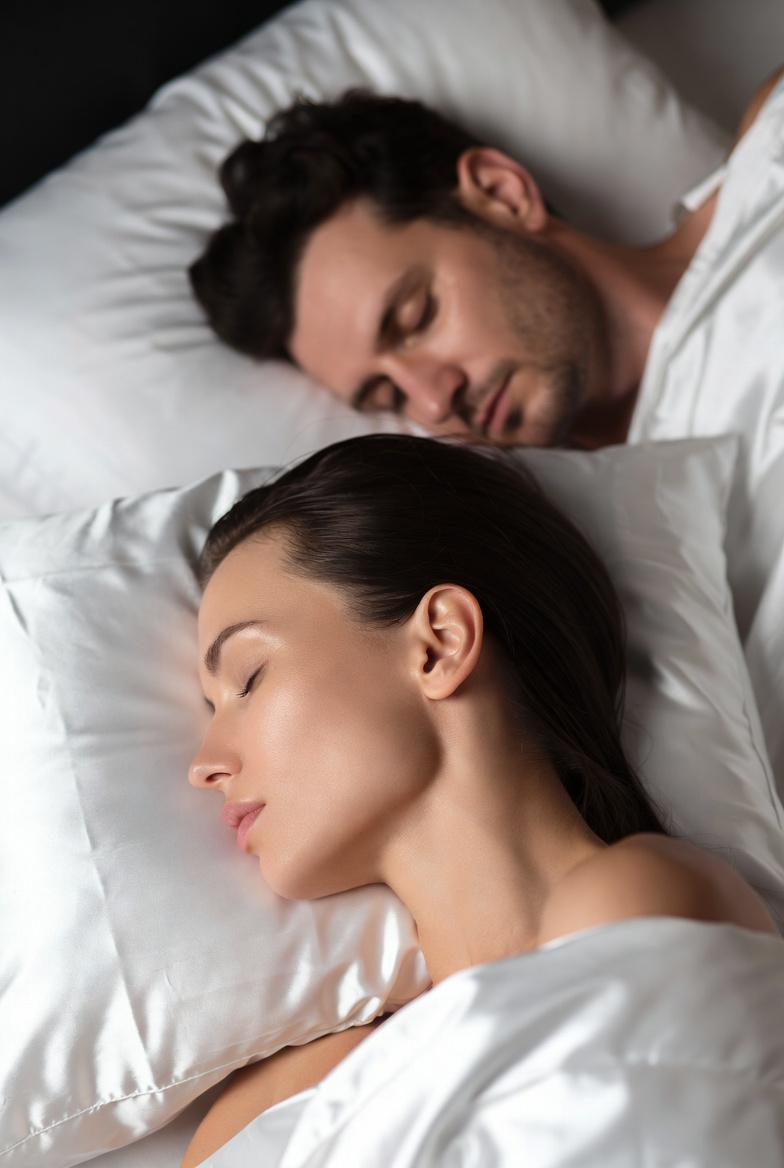
In addition to the rituals you follow before going to bed and the pillow you choose, the fabric that comes into touch with your skin and hair also has a significant part in determining the quality of sleep you get and the health of your skin. Although silk and cotton are two of the most frequent fabrics used for bedding and sleepwear, there are considerable differences between the two in terms of their mechanical qualities, notably friction and surface smoothness. When worn for an extended period of time, high-friction textiles may cause damage to the face epidermis and fragile hair strands, which can lead to hair breakage, split ends, and wrinkles caused by sleep. Skin and hair are able to slide with minimum resistance because to the silk’s smooth, low-friction surface, which reduces the amount of mechanical stress that occurs during sleep. Cotton is a material that is breathable and soft; yet, it has a rougher texture that may make friction worse, particularly when it is turned and tossed for an extended period of time. By gaining an understanding of the physics of the interaction between fabric and skin and fabric and hair, one may better appreciate the significance of material selection in terms of both aesthetic and physiological advantages during sleep.
Fabric-skin interaction from a physics point of view
The resistance that is experienced when two surfaces glide against one another is referred to as friction. In the context of sleep, friction may occur between the skin and pillows or between the hair and certain fabrics. High friction causes the epidermis to experience increased mechanical stress, which in turn causes collagen fibers to stretch and reduces the epidermis’s suppleness. In a similar manner, the presence of strain at contact areas in hair strands may result in the formation of microtears and split ends. Because of its low-friction surface, silk is able to minimize these pressures, which enables it to travel more smoothly over the skin and hair. Cotton, on the other hand, has a rough surface, which increases resistance and intensifies the pulling impact that occurs during common nocturnal motions like as turning or pressing the cheek against a pillow.
Integrity of the hair and smoothness of the surface
Particularly susceptible to damage from mechanical effects are the hair shafts, particularly along the cuticle layer. Rough textiles may cause repeated friction, which can raise cuticle scales, weaken the shaft, and increase breaking. Silk offers a smooth interface that causes little disturbance to the cuticle, so keeping the integrity of the hair and lowering the number of split ends over time. Because the fibrous surface of cotton causes microabrasions along the hair shaft, particularly when the hair is dry or styled firmly, silk is an excellent option for keeping the health of the hair while one is sleeping.
Impact on the Skin of the Face and the Development of Wrinkles
Sleep-induced facial creases, also known as sleep wrinkles, are the consequence of continuous compression and friction between the skin and the bedding. Sleep wrinkles are becoming more common. Cotton, because of its greater friction coefficient, has the potential to cause localized stress spots on the face epidermis, which may help speed up the production of wrinkles and hinder the body’s natural ability to heal itself. Silk helps the skin to glide easily and effectively distributes pressure more evenly, so reducing the amount of strain that is placed on dermal collagen and elastin fibers. Additionally, this mechanical advantage helps to a decrease in the appearance of tiny wrinkles and creases that are caused by sleep over time.
Distinctions in the Retention of Moisture
The ability of silk to retain moisture is another characteristic that sets it apart from cotton. Silk does not aggressively draw moisture away from the skin, so it helps to maintain the skin’s barrier as you sleep. Silk naturally keeps part of the skin’s natural moisture. Cotton, despite its ability to pass air through it, has the ability to absorb surface moisture, which might possibly increase friction on dry skin regions and exacerbate mechanical stress. It is possible to strengthen the preventive effect against sleep-induced damage by ensuring that the skin is well hydrated and by using surfaces with minimal friction.
Considerations Regarding the Styling and Maintenance of Hair
Individuals who have longer or more brittle hair may find that the choice of cloth affects the duration of their style. Silk pillowcases lessen the likelihood of tangles and knots forming while the wearer is sleeping, hence reducing the amount of mechanical detangling that is required in the morning. Because of the increased friction that cotton produces, it causes hair to get more entangled, which may result in breaking while combing or brushing. The low-resistance interface of silk not only helps to retain the integrity of the hair overnight, but it also helps to keep the results of style intact for extended periods of time.
Advantages for the Hair and Skin Over the Long Term
Utilizing silk for either your sleepwear or your bedding on a regular basis offers cumulative advantages for both your skin and your hair. There is a correlation between reduced mechanical stress and the protection of epidermal structure, the maintenance of skin elasticity, and the prevention of premature wrinkle development during sleep. Along the same lines, there are less microtears and breakages in the hair, which contributes to the general health, thickness, and luster of the hair. These long-term benefits underscore the significance of selecting the appropriate fabric as a preventive step in the daily beauty and wellbeing routines that one should engage in.
Implementation Into Sleep Routines in a Practical Method
The incorporation of silk into one’s sleeping practice is not only beneficial but also practical. Silk-based products, such as pillowcases, fitted sheets, and sleep masks, provide a focused decrease in friction for the face skin and hair while you sleep. It is possible to further improve the protective properties of silk bedding by combining it with nocturnal hair treatments, loose hairstyles, or protective braids. It is possible to achieve meaningful gains in the reduction of mechanical stress with even partial integration, such as utilizing silk pillowcases while keeping cotton sheets.
Striking a Balance Between Comfort, Cost, and Longevity
Silk is often more costly and fragile than cotton, despite the fact that it has the ability to deliver demonstrable physiological advantages. Cotton that is of high quality continues to be an alternative for general comfort that is both breathable and inexpensive, despite the fact that it provides less protection against friction. Those who place a high priority on the health of their skin and hair may benefit from the use of silk, especially those with hair that is prone to breakage or skin that is prone to the creation of wrinkles at an earlier age. Therefore, the careful selection and maintenance of sleep materials may enhance both comfort and long-term aesthetic benefits, which is why silk is a utilitarian investment in the wellbeing of the nocturnal routine.